
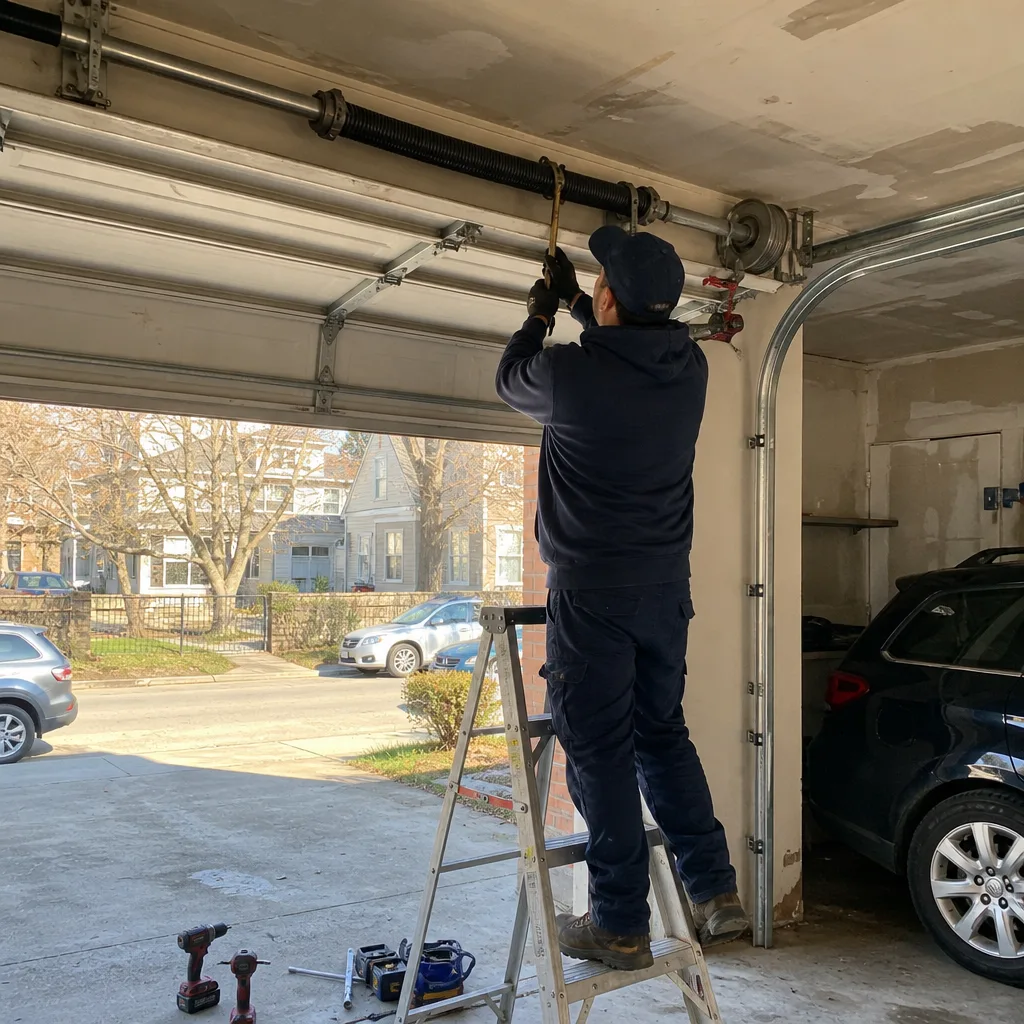
Last updated November 21, 2026
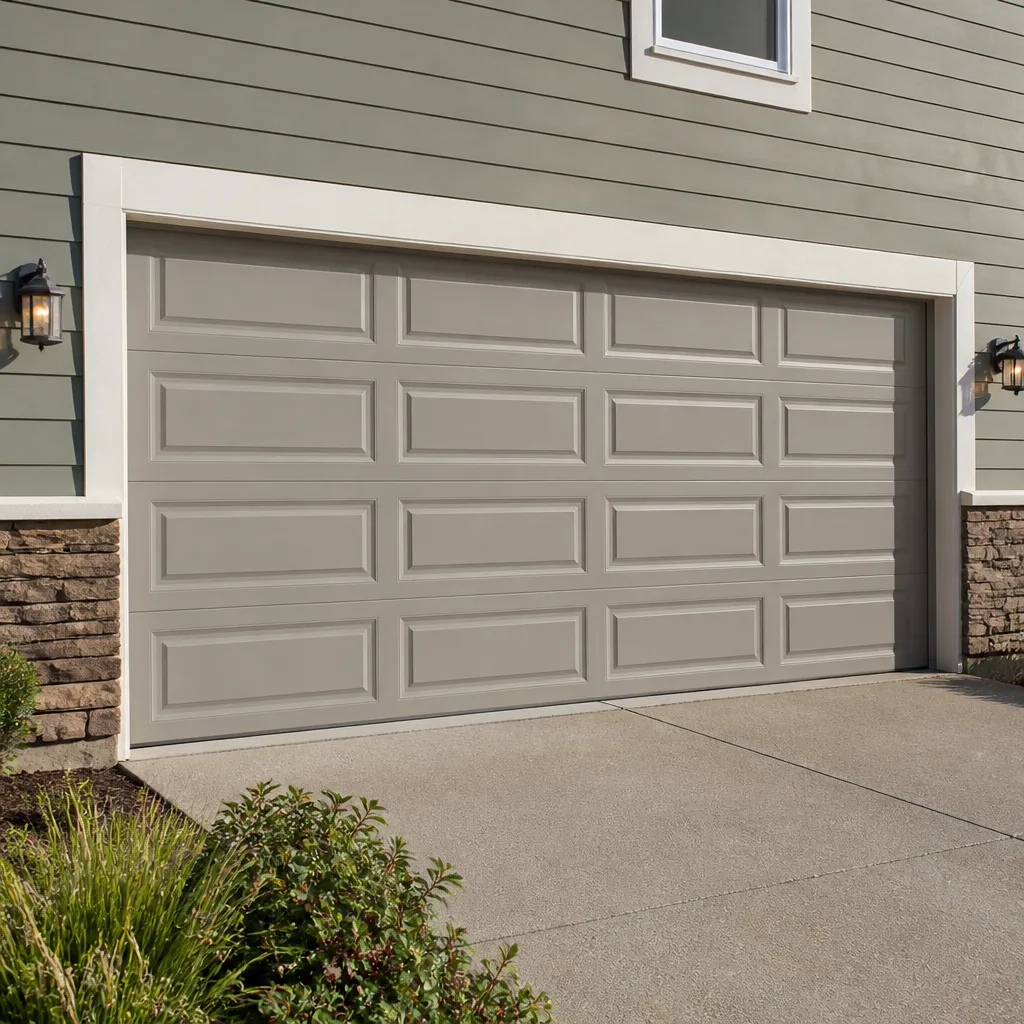 Raised-panel steel
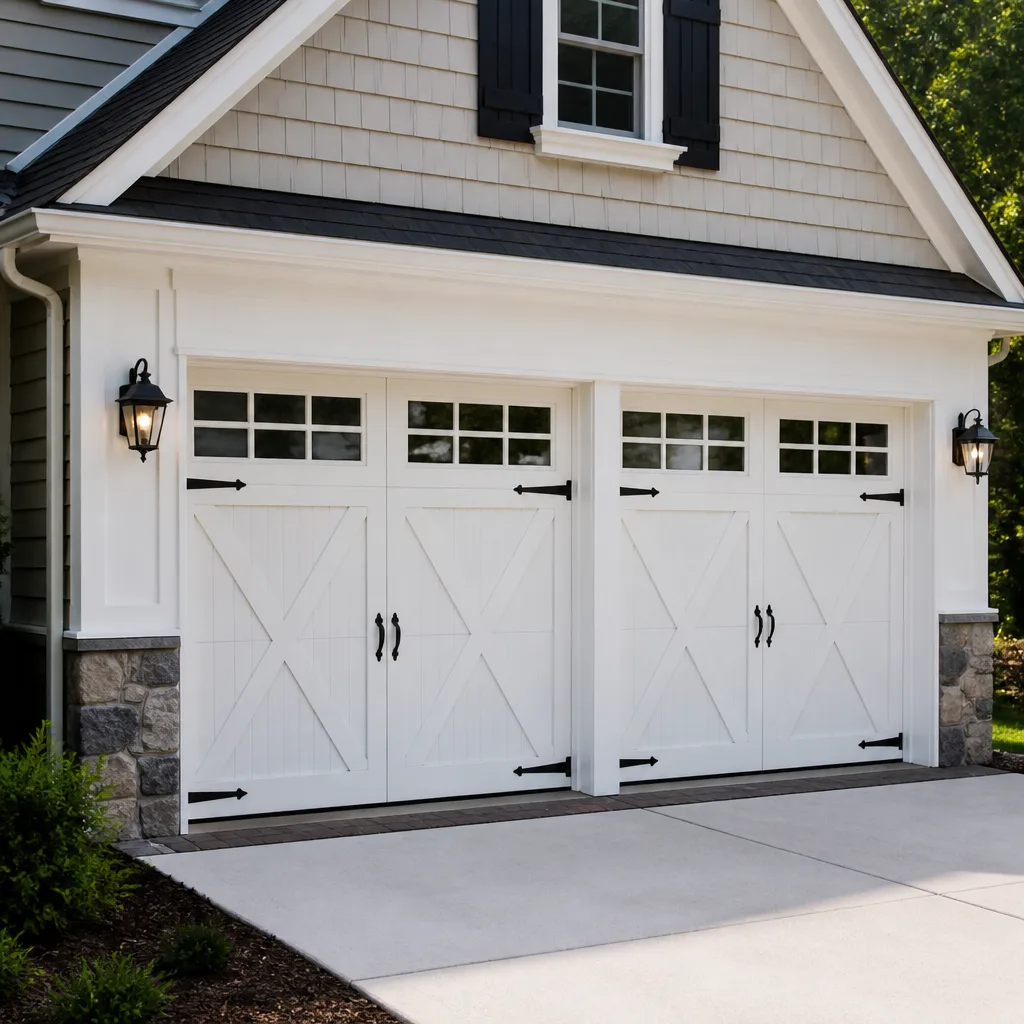 Carriage house
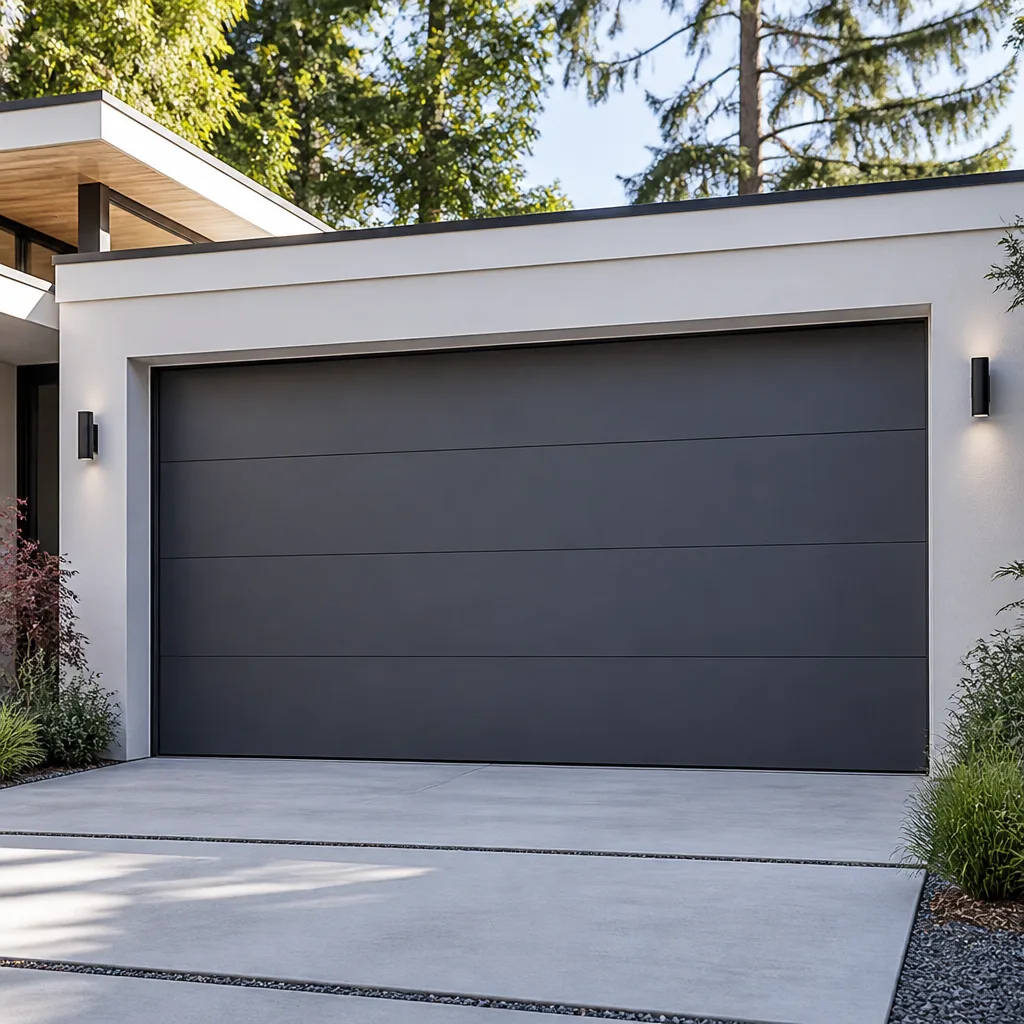 Modern flush
 Full-view glass
 LiftMaster openers
 Chamberlain openers
Full 25-point door and opener safety check with every visit - springs, cables, rollers, tracks, and your LiftMaster or Chamberlain opener included
You get a price before we start. It does not change when the pro arrives.
Get your free estimateSeasonal Garage Door Care for Journal Square: Year-Round Homeowner’s Guide
Lubricating your springs in January is too late. Torsion springs that fail in February usually showed metal fatigue or corrosion that was visible in October, back when the weather was still mild enough to do something about it. Journal Square sits in a humidity and freeze-thaw corridor that works a garage door hard through every season, and the timing of maintenance matters as much as the tasks themselves. In this guide we map each chore to the right window in the year, from fall prep before the first deep freeze to the summer humidity that quietly eats at wooden panels and bottom seals. You’ll learn what to inspect, when to inspect it, and which single check most homeowners skip.
Quick Answer
Seasonal garage door care in Journal Square comes down to four windows: a fall pre-winter checklist completed in October before temperatures drop below 40°F, a spring inspection timed to catch torsion spring wear before it fails, a summer pass for humidity damage to wood panels and bottom seals, and a road-salt cleanup after any salting event. Year-round, the cable inspection is the task most homeowners skip, and it’s the most consequential. Do the right task in the right season and you’ll catch most failures before they strand your car.
Styles & brands we work with
- Raised-panel steel
- Carriage house
- Modern flush
- Full-view glass
- LiftMaster openers
- Chamberlain openers
Table of Contents
- The Fall Pre-Winter Checklist: Why October Is the Only Month That Counts
- What Journal Square Humidity Does to Wood Panels and Bottom Seals
- Spring Is the Highest-Risk Season: The 10,000-Cycle Math
- Road Salt Migration and What to Look For After Any Salting Event
- The Cable Inspection Most Homeowners Skip
- Winter Freeze-Thaw and Summer Heat: The Two Extreme Passes
- Opener Care by Season: What to Check on LiftMaster, Chamberlain, and Genie Units
- Your Journal Square Seasonal Care Calendar
The Fall Pre-Winter Checklist: Why October Is the Only Month That Counts
October is the window for every lubricant-based task on your door, and there’s a mechanical reason for it. Most garage door lubricants are formulated to penetrate and spread at moderate temperatures. Once the air drops below 40°F, those products thicken and stop working their way into hinges, rollers, and spring coils the way they should. If you lubricate in January, you’re coating the surface without reaching the parts that actually need protection. Fall is when the work gets done right.
In Journal Square, October also gives you a buffer before freeze-thaw cycles start working on the door. Run this checklist before the first hard cold snap:
- Lubricate hinges, rollers, and spring coils with a garage-door-specific lubricant, not general-purpose oil or WD-40. This is the one product choice that matters more than any other.
- Test the balance of the door by disconnecting the opener and lifting it halfway. It should hold position on its own. If it drops or rises, the springs are out of balance and need professional attention.
- Inspect the bottom seal for cracks, hardening, or gaps. A seal that’s already stiff will get brittle in the cold and let in drafts and moisture.
- Check the weatherstripping around the frame for separation at the corners, where freeze-thaw movement tends to open seams first.
- Tighten all hinge and bracket bolts by hand with a socket wrench. Don’t overtighten; the metal contracts in cold and can crack at an over-torqued bolt.
- Test the safety reverse by placing a small object in the door’s path and closing it. The door should reverse on contact. This test matters most in cold weather, when the door’s travel can change.
- Clear the tracks of debris and wipe them with a dry cloth. Never grease the tracks; lubricant attracts grit and causes binding.
If any item on this list turns up a problem you can’t resolve with a wrench and a rag, that’s the right time to have it looked at. Our garage door repair service handles the fall tune-ups and small fixes that keep a door running through the winter.
What Journal Square Humidity Does to Wood Panels and Bottom Seals
Journal Square summers run humid, and that humidity does specific damage to two parts of your door: wooden panels and rubber bottom seals. Wood absorbs moisture through its end grain and through any place the paint film has cracked or worn thin. When the wood swells, panels can cup, seams can open, and the paint can blister from the inside out. The swelling itself is the first problem; the moisture trapped inside is the second, and it’s what leads to rot over time.
Bottom seals face the same humidity but in a different way. Rubber and vinyl seals absorb very little moisture, but the track they sit in does. A seal that sits in standing water or damp concrete all summer softens at the base, and the softening gives mold and mildew a place to grow. That’s the black staining you sometimes see at the bottom edge of a door that looks fine otherwise.
Here’s how to slow the damage during the humid months:
- Inspect and touch up paint on wooden panels every spring before the humidity peaks. A complete paint film is the only real barrier wood has against moisture.
- Check the bottom seal monthly for softness, discoloration, or separation from the door. A seal that’s starting to pull away should be reattached or replaced before the damage spreads.
- Keep the driveway and door threshold clear of standing water. Poor drainage near the door is the biggest driver of seal and bottom-panel rot.
- Ventilate the garage on humid days if you can. A garage that stays closed and damp all summer is the worst environment for wood and seals.
- Look for bubbling or peeling paint at the bottom of wooden panels. That’s the earliest visible sign that moisture is getting in behind the finish.
If your door is showing wood rot at the panels or the bottom rail, a replacement may be the more sensible path than a repair. Our garage door installation service covers that decision, and we’ll tell you honestly when repair is the better call.
Spring Is the Highest-Risk Season: The 10,000-Cycle Math
Spring is when torsion springs fail most often, and the reason is cumulative wear meeting seasonal temperature swings. A standard torsion spring is rated for roughly 10,000 cycles. One cycle is one full open-and-close of the door. If your household opens and closes the door four times a day, that’s about 1,460 cycles a year, which puts you at the 10,000-cycle rating in around seven years. For a busier household with more cars and more comings and goings, that window shrinks considerably. The spring doesn’t fail at a random moment; it fails when the accumulated fatigue finally exceeds what the metal can hold.
Spring is the season that exposes it, because the freeze-thaw cycling of late winter loosens tolerances and the warmer temperatures change the tension the spring is carrying. A spring that was at 85% of its fatigue life in October can be at the breaking point by April.
What makes this worth understanding is the mechanism. Torsion springs store an enormous amount of energy when the door is closed. When the metal finally gives, that energy releases all at once. This is why spring work is genuinely dangerous and why we treat it as a core service rather than an add-on. If your spring snaps, stop operating the door and have a trained technician handle it – never attempt to replace or adjust a torsion spring yourself.
What to watch for in March and April
- A loud bang from the garage, often mistaken for a car backfiring or a door slamming.
- The door opening partway and then stopping, or feeling unusually heavy when you lift it manually.
- A visible gap in the spring coil – a half-inch or wider separation means the spring has failed.
- Corrosion or rust on the spring coils, which shortens the cycle life and makes failure more likely.
If you see any of these, call and we’ll get a technician out to diagnose it. We answer 24/7, with fast dispatch from 7am to 7pm.
Road Salt Migration and What to Look For After Any Salting Event
Road salt doesn’t stay on the road. In Journal Square, cars track it up the driveway and into the garage, and the salt sits against the lowest metal parts of the door: the bottom brackets, the hinges, and the bottom roller stems. Salt is corrosive in its own right, but the real problem is what it does in combination with moisture. Salt lowers the freezing point of water, so it keeps the metal damp longer than plain water would and accelerates rust at the points that touch the ground. A door that sees regular salt exposure can corrode at the bottom brackets faster than the rest of the door shows any wear.
After any salting event, inspect these specific parts:
- The bottom brackets at each corner of the door. Look for orange-brown rust bloom, especially where the bracket meets the bottom panel.
- The bottom hinges and the bolts that hold them. Salt collects in the bolt heads and works its way in.
- The bottom roller stems, where the roller shaft sits in the hinge. If the stem looks pitted, rust is already working there.
- The bottom seal on the outside face. Salt stains show as a white or gray crust; wipe it down with fresh water and a rag.
After inspection, rinse the lower metal parts with plain water and dry them thoroughly. A light coat of garage-door lubricant on the cleaned brackets and hinges slows corrosion. If the salt exposure is regular in your driveway, a monthly rinse during the salting season keeps the corrosion from getting ahead of you.
The Cable Inspection Most Homeowners Skip
If there’s one task that gets skipped more than any other, it’s the cable inspection. The cables run from the bottom brackets back up to the drums and springs, and they’re the reason the door lifts evenly on both sides. They’re not visible from a glance at the door. You have to get down near the bottom bracket and follow the cable up to see the wear. That’s why most homeowners never check them, and it’s why cable problems tend to show up as a failure instead of a repair.
Cables don’t typically snap without warning. They fray first. The individual wire strands that make up the cable start to break and pull away from the bundle, usually near the bottom bracket, at the drum, or where the cable passes over the roller. A cable that’s starting to fray looks fuzzy or fuzzy-edged at the worn point. If you look closely, you can see the broken strands sticking out from the rest of the cable. Once a cable has any broken strands, it’s compromised and should be replaced.
Here’s what the inspection covers:
- Look at the cable at the bottom bracket first, on both sides. This is the highest-wear point.
- Follow the cable up toward the drum and check for fraying or kinks along the run.
- Check the drum end for cable overlapping or binding, which can happen if the cable has jumped the groove.
- Look for slack or uneven tension between the two sides. A loose cable on one side means the door is lifting unevenly.
Cable work carries the same danger as spring work, and the cables are under high tension while the door is under load. That’s a job for a trained technician, not a weekend project. When we work on doors in Journal Square, the cable check is part of every visit, and it’s the inspection that catches the most consequential problems before they become emergencies.
Winter Freeze-Thaw and Summer Heat: The Two Extreme Passes
Winter and summer ask different things of a garage door, and both seasons deserve their own pass through the system. In winter, the freeze-thaw cycle is the main driver of problems. Water gets into the smallest gaps, freezes, expands, and widens the crack a little each time. The bottom seal and the frame corners see this most, but the hinges and bottom brackets also move as the metal contracts. The winter pass is about checking for what the cold has loosened: seals that have separated, bolts that have backed out, and any cracking in the panel seams.
Summer asks for a check under heat and humidity. Heat expands the door’s metal tracks and springs, and a door that was properly adjusted in spring can start binding by August. The rubber rollers and the bottom seal both soften in the heat, and a seal that’s already compromised can sag or split. The summer pass is about tracking the track alignment and the seal condition.
Winter pass (December through February)
- Check the bottom seal for cracks and hardening; cold makes a seal that’s already brittle more likely to split.
- Look at the frame weatherstripping at the corners for gaps that opened during freeze-thaw.
- Test the door’s balance on a mild day when you can manually lift it safely.
- Watch the door’s travel: a door that starts to drag in cold weather is telling you the tracks or the rollers have shifted.
Summer pass (June through August)
- Check the tracks for expansion bowing, especially on a long door.
- Inspect the bottom seal for softening and any mold or mildew at the base.
- Look at the wooden panels for signs of moisture and paint bubbling.
- Listen to the opener through a full cycle; a strained motor in summer heat can be an early sign the door’s running heavy.
Opener Care by Season: What to Check on LiftMaster, Chamberlain, and Genie Units
The opener is the part of the system most people think of first, and it needs its own seasonal attention. A LiftMaster, Chamberlain, or Genie unit works harder in some seasons than others, and the check that matters most is the one most homeowners never do: listen to the motor under load. An opener that’s straining to lift the door in summer heat or winter cold is telling you the door is running heavy, which points to a spring, roller, or balance problem upstream. Left alone, that strain shortens the opener’s life.
Every season, run the opener through a full open-and-close cycle and pay attention to these:
- The sound of the motor. A clean, steady hum is normal. Grinding, rattling, or a motor that seems to labor is not.
- The safety reverse test. Put a small object in the door’s path and close it. The door should reverse on contact. A door that pushes through or stops without reversing needs the opener looked at before it’s used again.
- The force settings. If the door’s travel has changed, the opener’s force settings may need adjusting. This is best done by a technician who can verify the door is balanced first.
- The battery backup, where the unit has one. A backup battery that’s expired won’t carry the door during an outage.
If a LiftMaster, Chamberlain, or Genie unit starts misbehaving, our garage door opener repair team handles the diagnosis and the fix. We work on equipment from LiftMaster, Chamberlain, Genie, Raynor, Clopay, Amarr, Wayne Dalton, and Craftsman, so we don’t need to sell you a new brand to fix the one you already own.
Your Journal Square Seasonal Care Calendar
Here’s the whole year in one view. Each item is timed to the season that makes it work, not just the season that makes it visible.
- March and April (spring risk pass): Inspect the torsion spring and cables for fatigue, corrosion, and fraying. This is the highest-risk window for spring failure; get ahead of it.
- May (late-spring moisture prep): Touch up paint on wooden panels and check the bottom seal before the humid months arrive.
- June through August (summer humidity pass): Check the bottom seal monthly; watch for paint bubbling on wooden panels; clear the thresholds of standing water; listen to the opener under load.
- September (pre-fall cleanup): Clear the tracks, tighten bolts, and test the safety reverse before the cold.
- October (the window that counts): Lubricate springs, hinges, and rollers while the temperatures are still above 40°F. Inspect the bottom seal and weatherstripping. Run the full pre-winter checklist.
- November through February (winter pass): Check the seals for cold cracks, watch for door drag, and inspect the bottom brackets and hinges after any salting event.
If any of these checks turns up something you’re not sure about, that’s what we’re here for. As a garage door specialist, we work on the whole system, from opener to spring to panel, so you don’t have to coordinate between a door company and an opener company.
Common Mistakes to Avoid
- Lubricating in January instead of October. Lubricants don’t penetrate properly below 40°F, so the winter application coats the surface without reaching the parts that need it. Move the task to October and the same work does twice as much good.
- Greasing the tracks. Tracks should be wiped clean and dry, never greased. Lubricant on the tracks attracts grit and causes the door to bind instead of glide.
- Ignoring the bottom seal because it looks fine from standing height. Get down and look at the base of the door. The seal failure and the wood rot both start at the bottom and you can’t see either from the driver’s seat.
- Skipping the cable check because it’s not at eye level. The cables need a close look at the bottom bracket and the drum. That’s the inspection that catches the failures before they strand you.
- Using WD-40 or general-purpose oil on hinges and springs. These aren’t garage-door lubricants. They run off, attract dust, and don’t leave the protective film the moving parts need.
- Running the opener harder when the door starts to drag. A dragging door is usually a balance or spring problem, not an opener problem. Increasing the opener’s force settings just masks the real issue and wears out the motor.
- Skipping the post-salting rinse. Journal Square driveways see real salt through the winter, and salt sitting on the bottom brackets keeps the metal damp and corrosive. A quick rinse after salting events adds years to the lower hardware.
See the difference
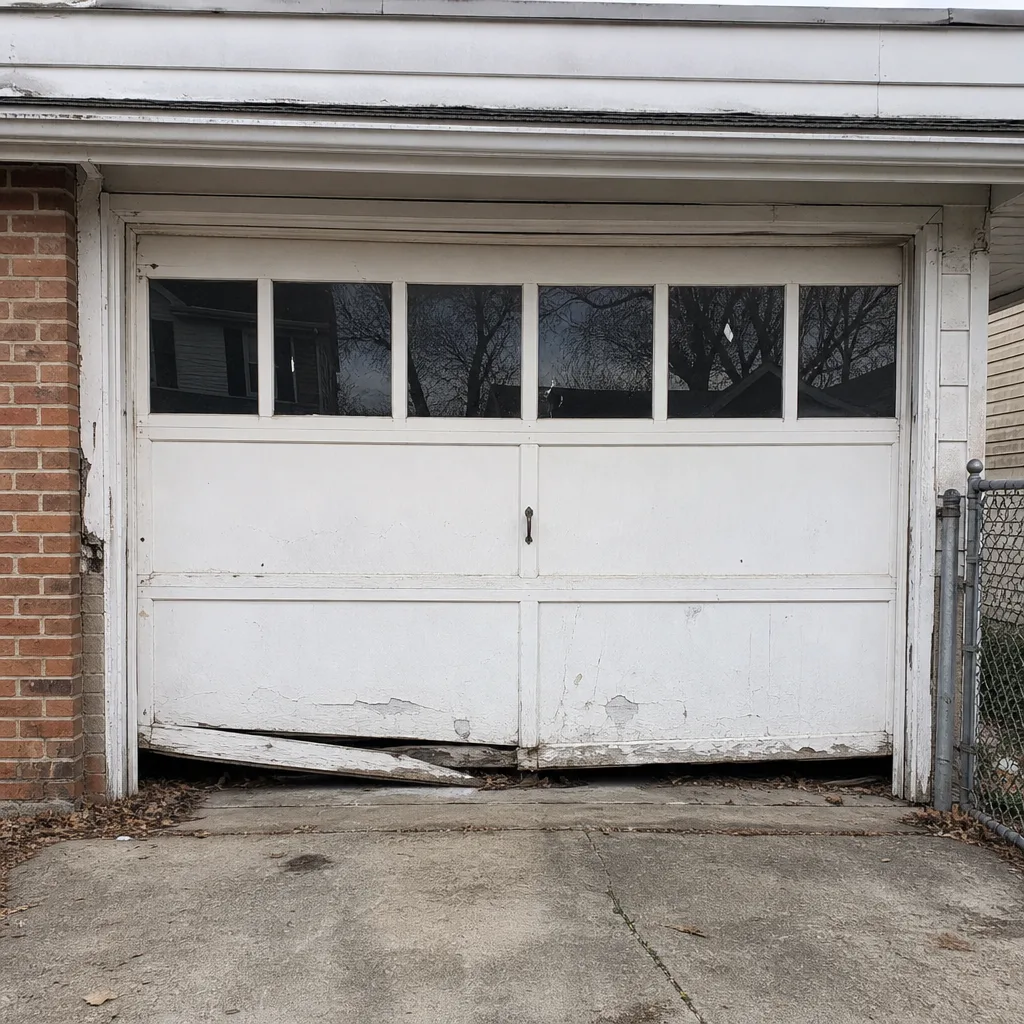 Before
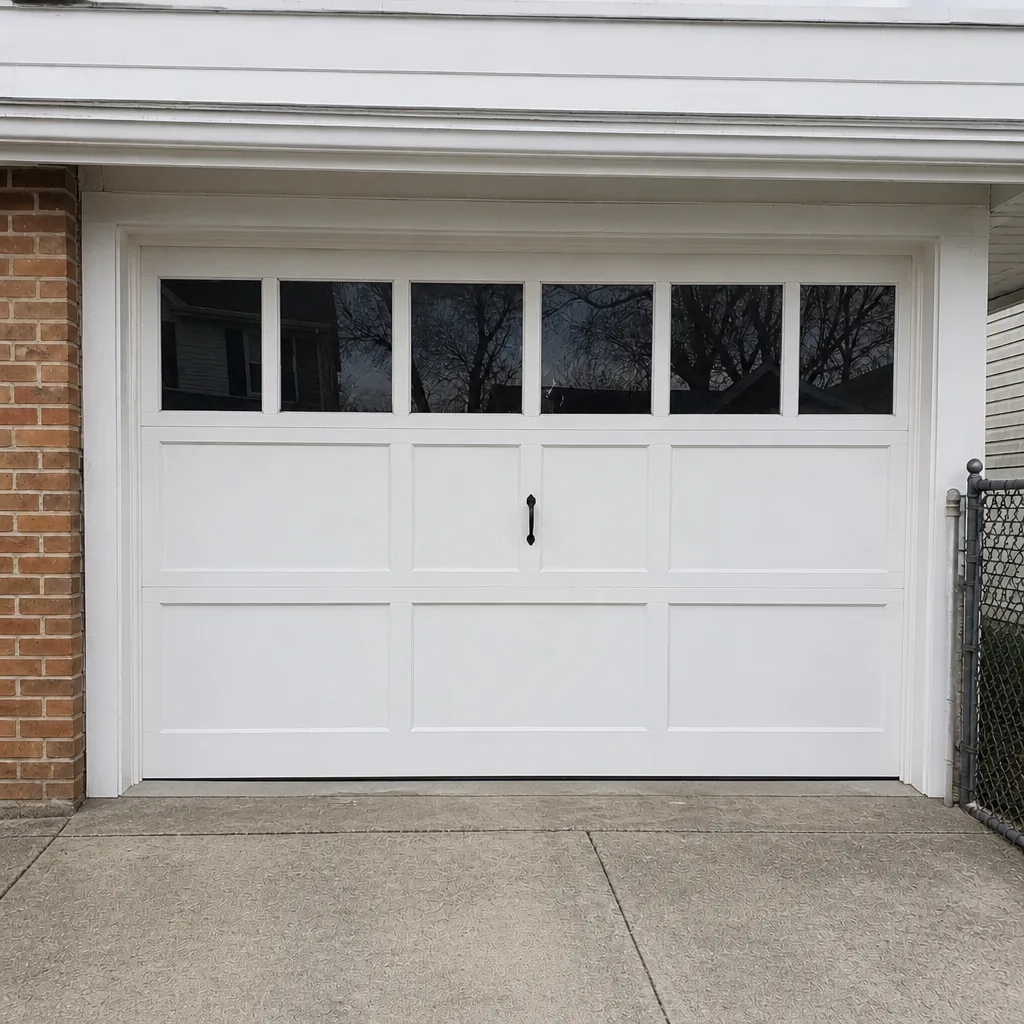 After
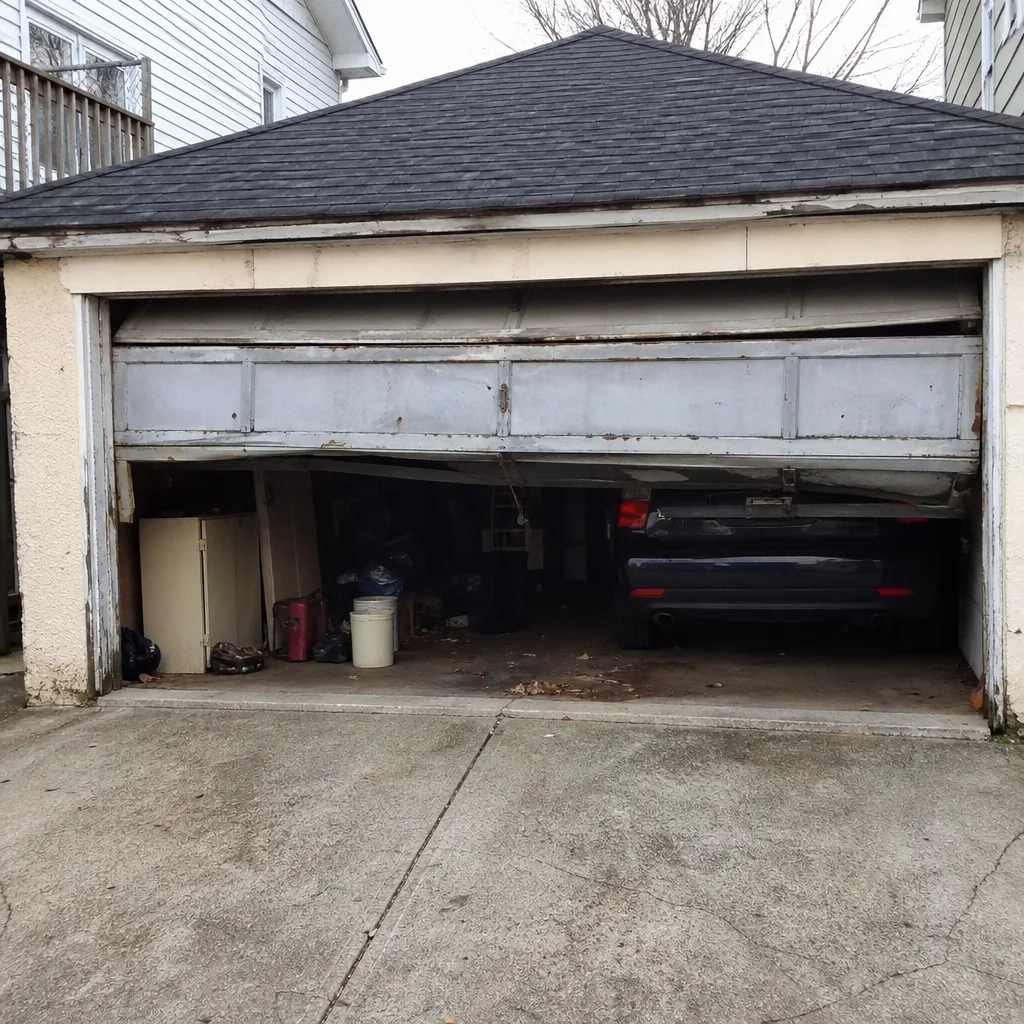 Before
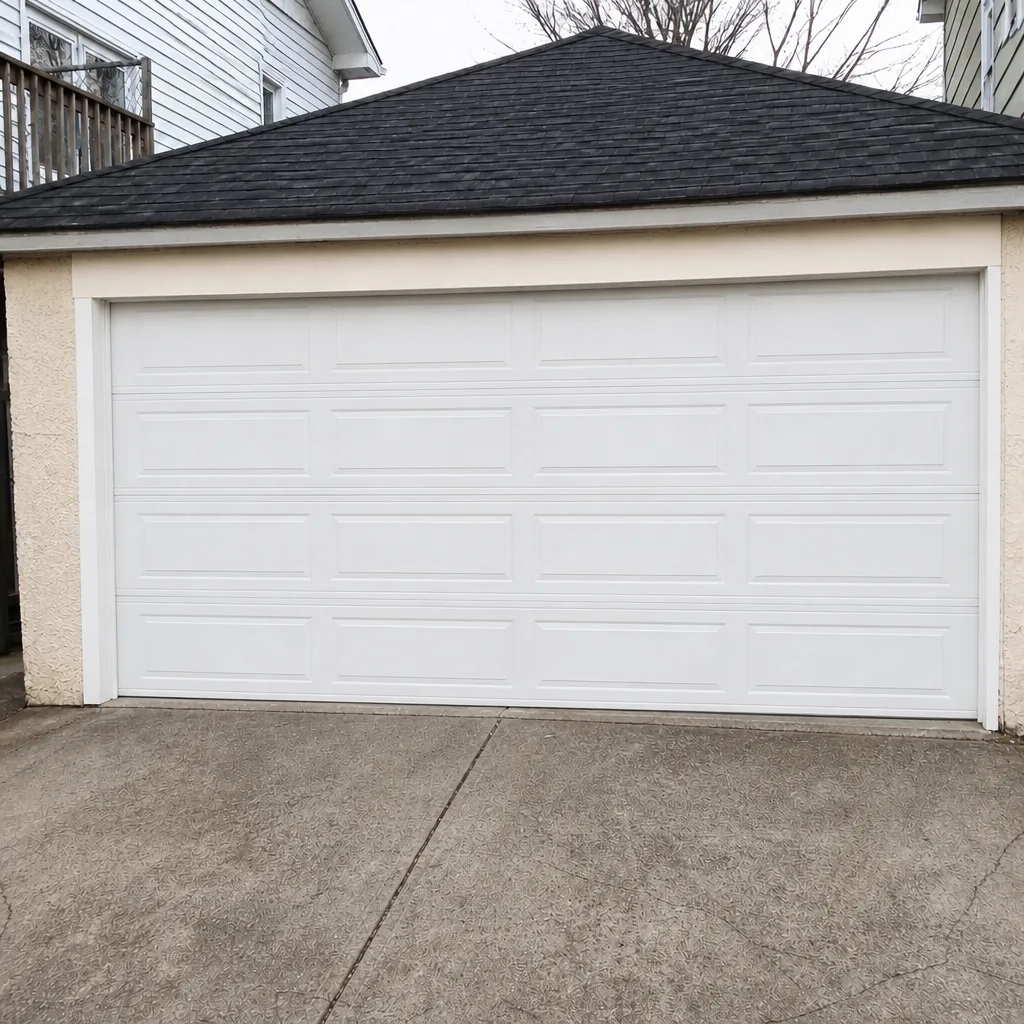 After
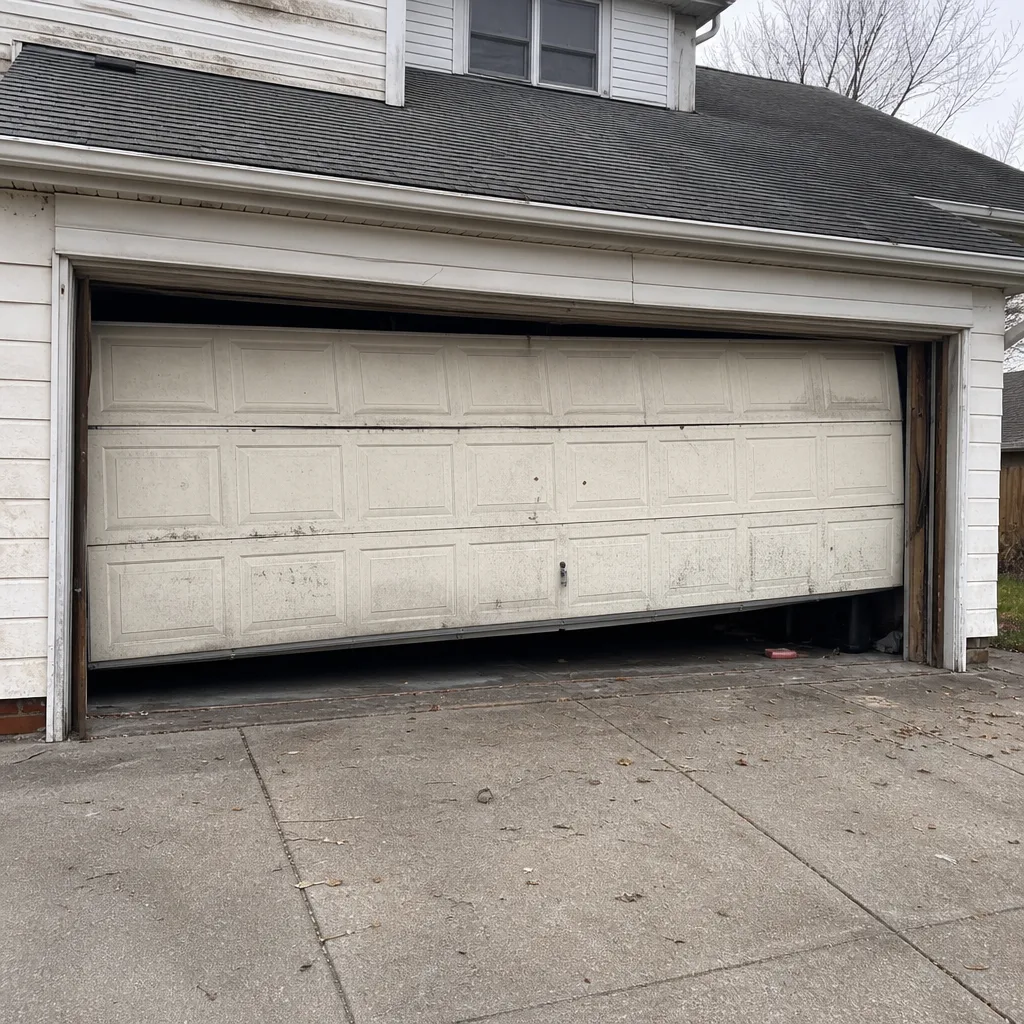 Before
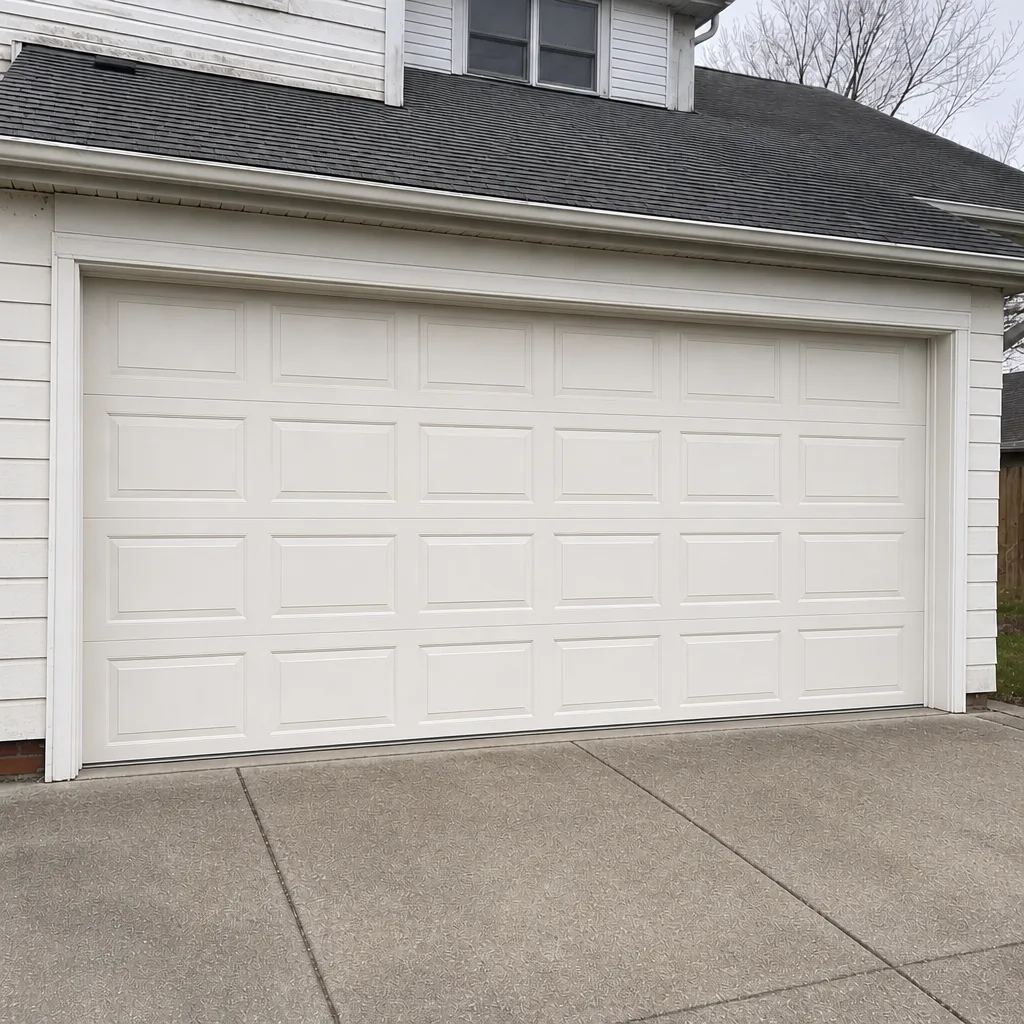 After
When to Call a Professional
Some seasonal checks you can do yourself: the visual inspection, the lubrication in October, the touch-up paint, the post-salting rinse. Some you shouldn’t. Call a professional for anything involving the torsion spring, the cables, or the electrical parts of the opener. A failed spring, a frayed cable, or a door that’s off-track are all jobs where the risk of serious injury to a homeowner is genuinely high, and the fix is larger than a wrench-and-rag issue. Call us if the door won’t move at all, if you hear a bang from the garage and find a broken spring, or if the door has come off its track. Our Garage Door Repair Journal Square team handles all of these as a standing part of the business, not an add-on. Garage Door Repair Journal Square offers free estimates in Journal Square – call (833) 968-6578. We answer 24/7. Fast dispatch, 7am-7pm.
Frequently Asked Questions
Twice a year is the right rhythm: a full pass in October before the cold and a spring check in March and April when the risk of torsion spring failure is highest. Add a monthly look at the bottom seal through the humid summer and a rinse of the bottom brackets after any salting event. That schedule catches most problems in the season they’re most likely to show up.
Springs fail in spring because the accumulated cycle wear meets the freeze-thaw loosening of late winter and the warmer temperatures that change the tension the spring is carrying. A standard torsion spring is rated for around 10,000 cycles, which for a typical household is roughly seven years at four open-and-close cycles a day. By the time the spring has reached that fatigue, spring weather is when the failure tends to show.
You can apply garage-door lubricant to the spring coils while the door is closed and fully at rest, and doing that in October is one of the best things you can do for the door. What you should never do is try to adjust, loosen, or replace the springs themselves. A torsion spring holds a lot of stored energy and that work is genuinely dangerous. Lubricate yes; take the spring apart, no.
Rinse the bottom brackets, hinges, and bottom roller stems with plain water, dry them thoroughly, and apply a light coat of garage-door lubricant to the cleaned metal. Salt keeps the metal damp longer than plain water and accelerates rust at the points closest to the ground. If you see orange-brown rust on the brackets or pitting on the roller stems after a rinse, call us and we’ll take a look; call (833) 968-6578 and estimates are free.
It can be. A door that starts to drag in cold weather is often telling you the tracks or rollers have shifted, or that the springs are losing tension. It can also be that the bottom seal is dragging after cold hardening. The best next step is a balance test on a mild day and a technician’s look at the springs and tracks. Call us and we’ll take a look at the whole system, from opener to spring to panel.
In most cases, yes. We work on equipment from LiftMaster, Chamberlain, Genie, Clopay, Amarr, Wayne Dalton, Craftsman, and Raynor, covering the vast majority of residential installations. We don’t need to sell you a new brand to fix the one you own. Call (833) 968-6578 – estimates are free.
The Bottom Line
Seasonal care for a Journal Square garage door is a calendar problem as much as a checklist problem. The lubrication that protects your springs only works in October, before temperatures drop below 40°F. The spring and cable inspection that catches the highest-risk failures belongs in March and April. The humidity damage to wood and seals shows up in summer and needs a monthly look. And the post-salting rinse after winter storms is what keeps the bottom brackets and hinges from rusting out. None of these tasks is complicated, but each one works best in its own season. Do them in the right order and the door stays reliable through the whole year. When a task turns up something you shouldn’t handle yourself, call Garage Door Repair Journal Square at (833) 968-6578 for a free estimate. We answer 24/7. Fast dispatch from 7am to 7pm, Sunday through Friday.
Written by the team at Garage Door Repair Journal Square.