
Last updated November 21, 2026
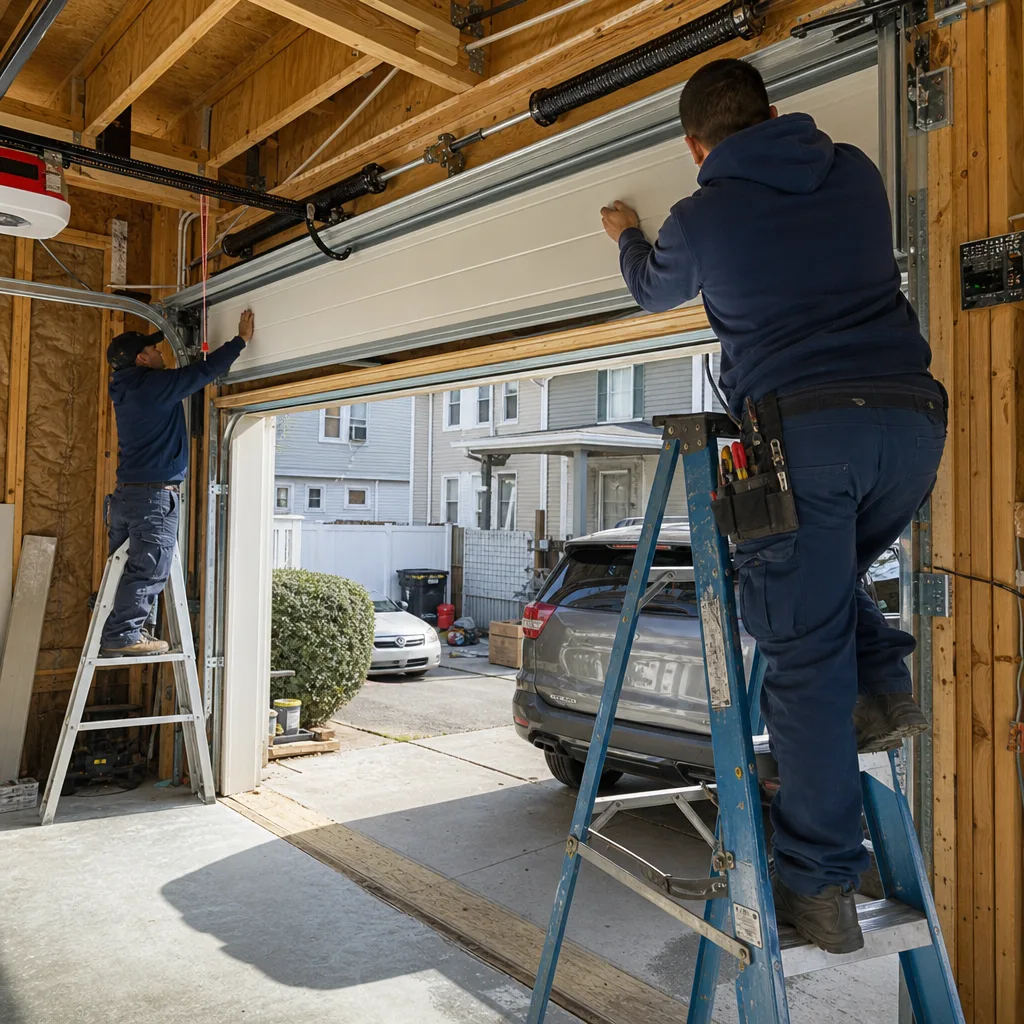
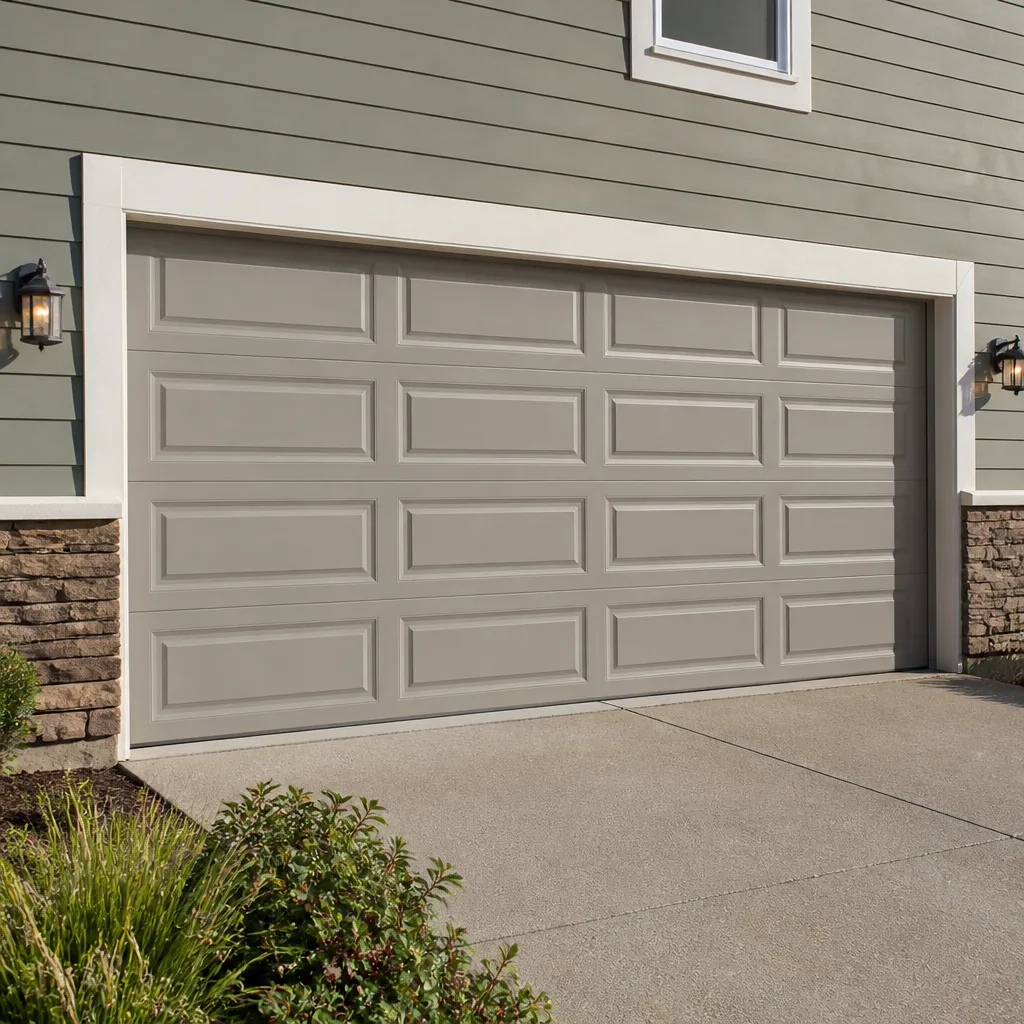 Raised-panel steel
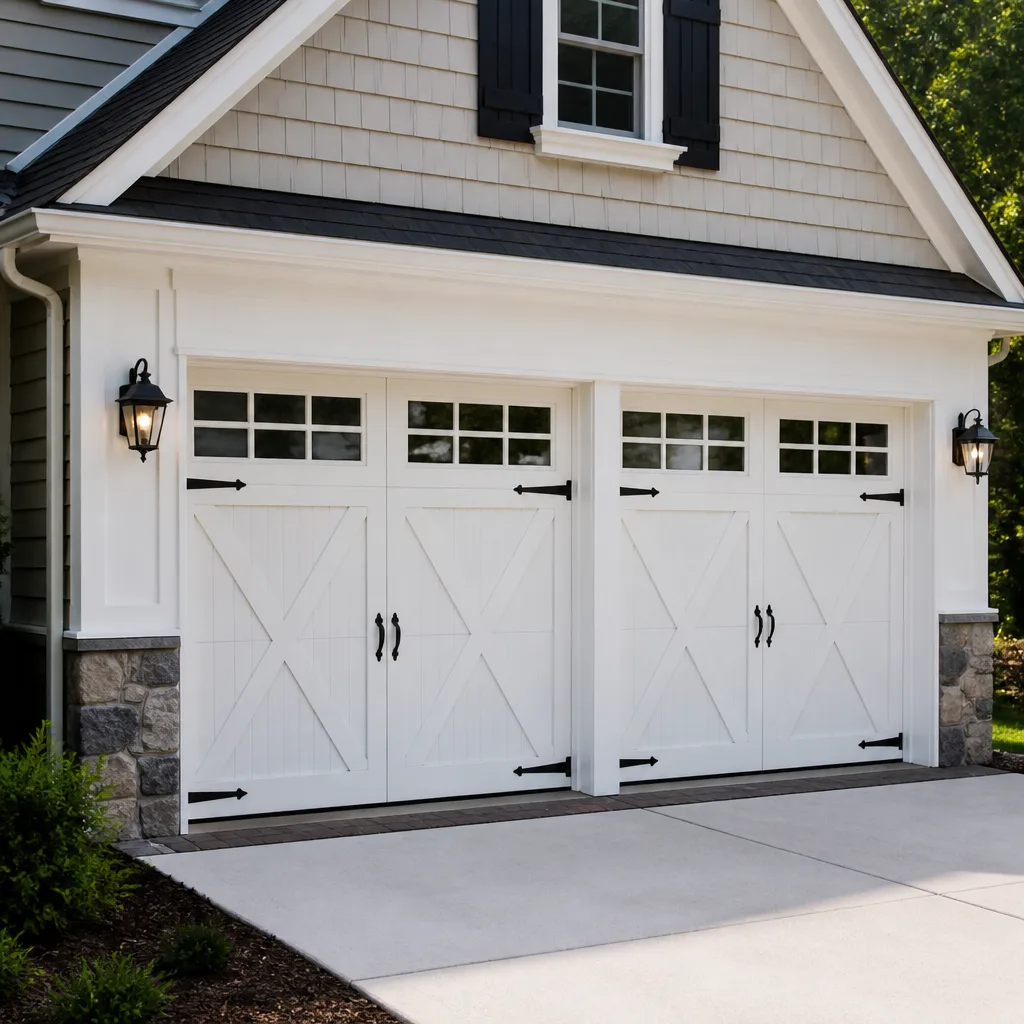 Carriage house
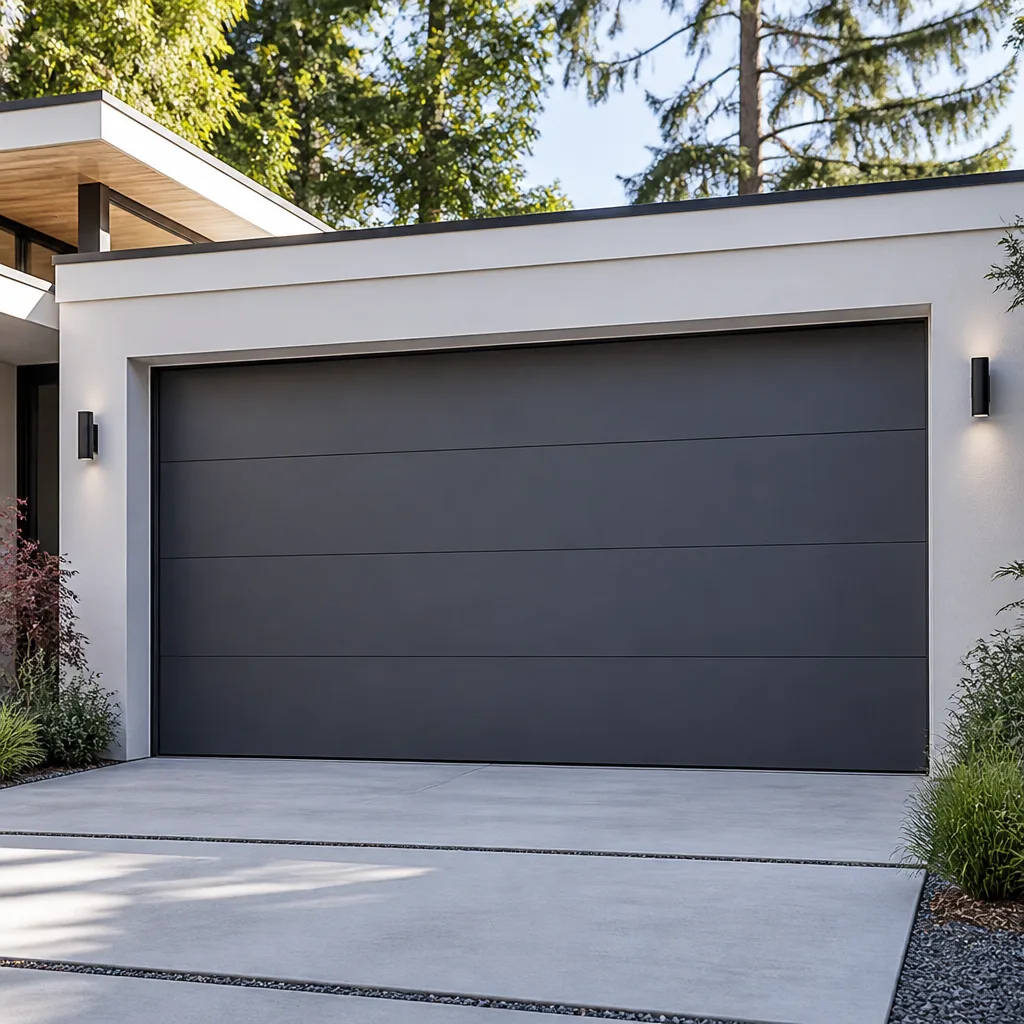 Modern flush
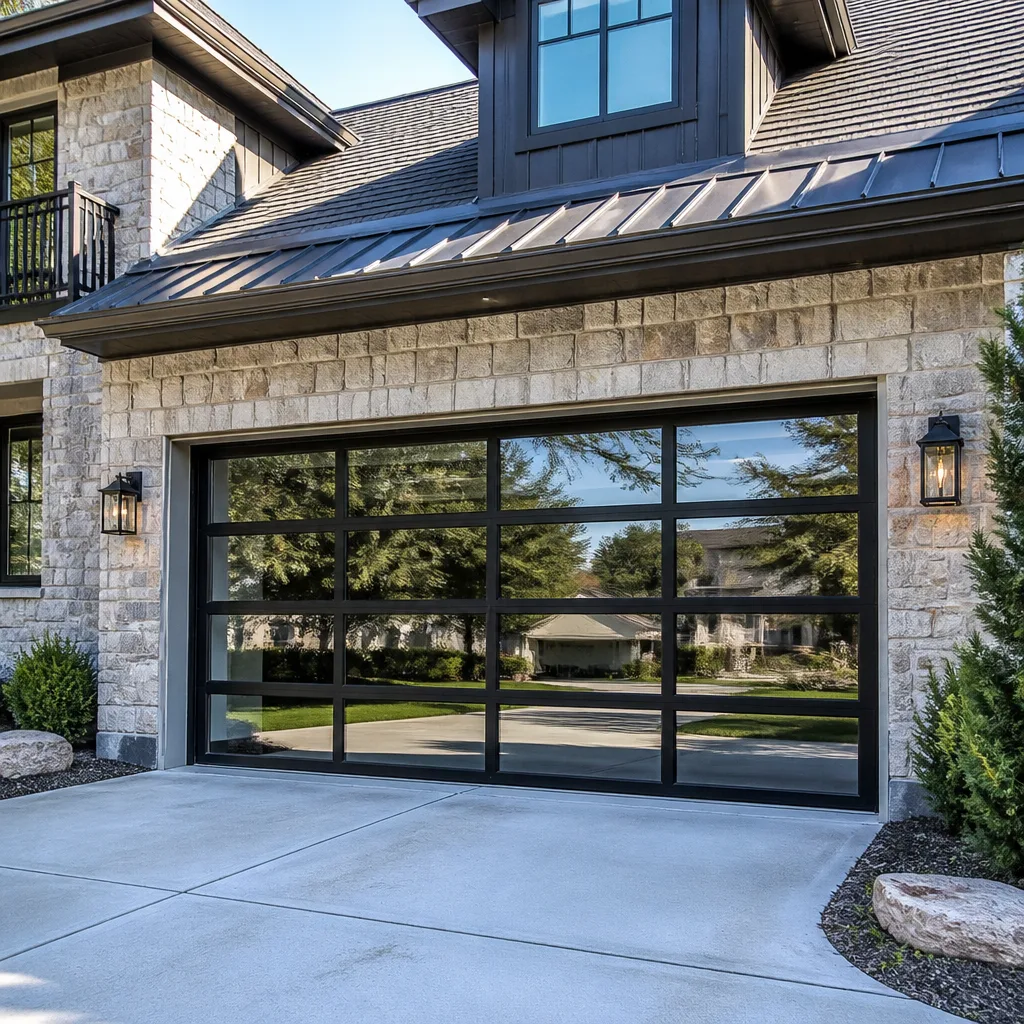 Full-view glass
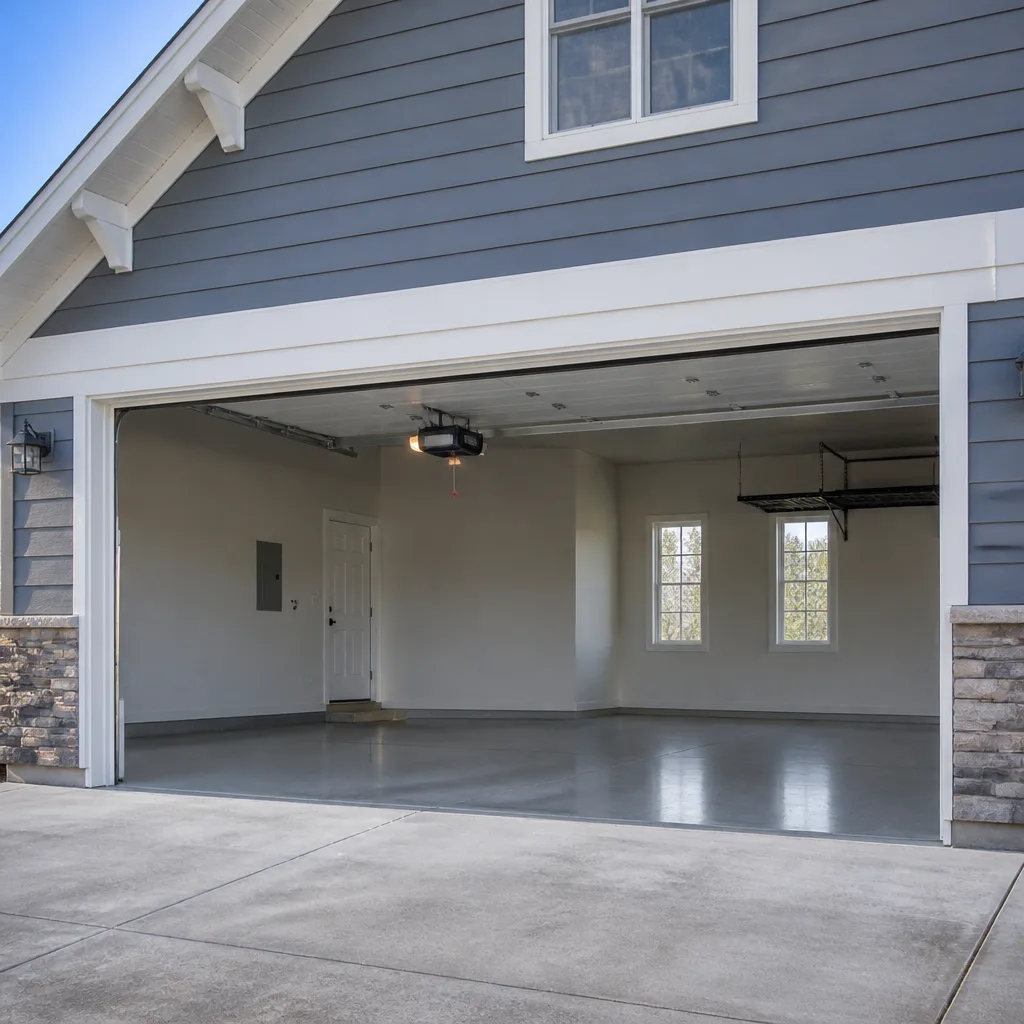 LiftMaster openers
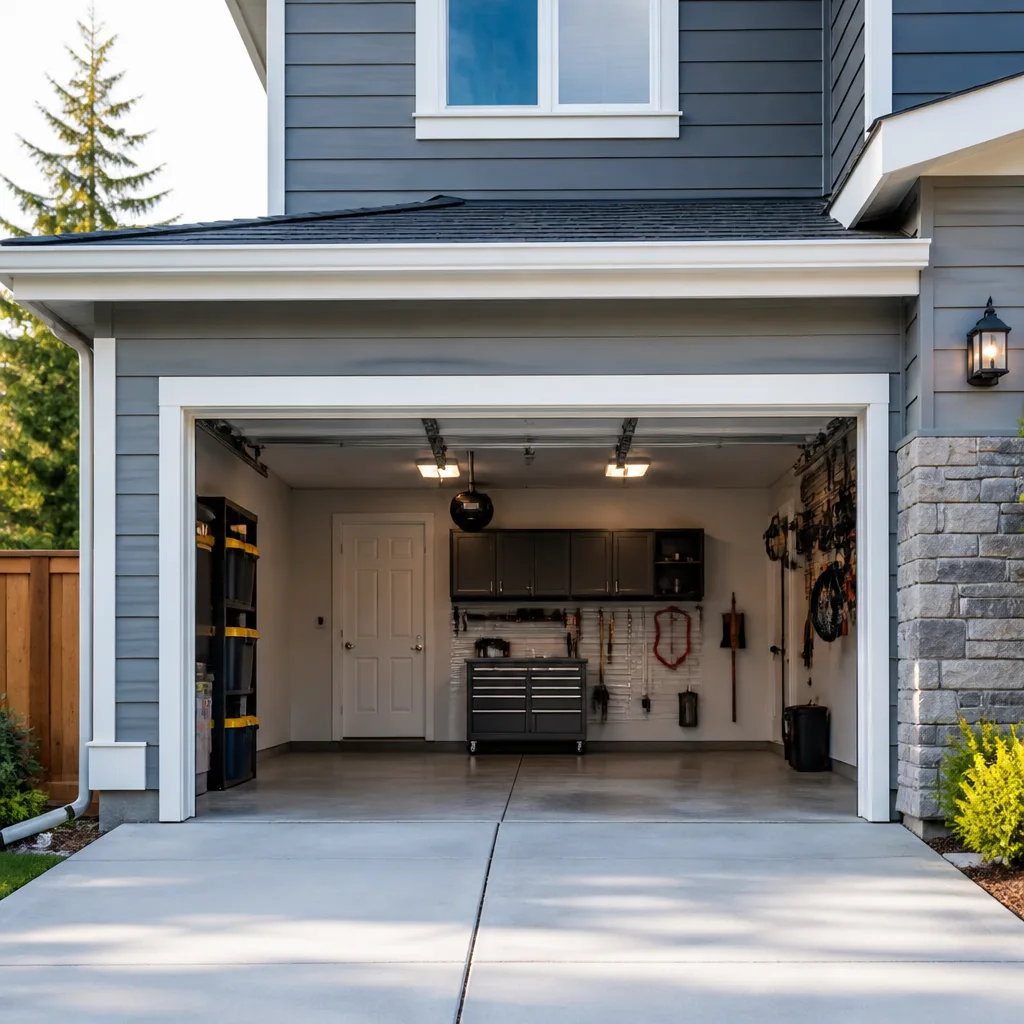 Chamberlain openers
Full 25-point door and opener safety check with every visit - springs, cables, rollers, tracks, and your LiftMaster or Chamberlain opener included
You get a price before we start. It does not change when the pro arrives.
Get your free estimateHow to Hire a Garage Door Contractor in Journal Square: A Step-by-Step Guide
Most homeowners in Journal Square think they’ve vetted a garage door contractor once they’ve confirmed a license. That’s the first mistake. A contractor who installs a door without setting the springs to the right tension, or who swaps a torsion spring without matching the wire gauge, can leave you with a door that strains the opener, wears out cables early, and stores energy that releases all at once. None of that shows up on a license. What separates a garage door specialist from a general handyman is mechanical judgment about load, balance, and safety tolerances. This guide walks you through the questions, documents, and red flags that actually tell the two apart, from the first phone call to the final walkthrough.
Quick Answer
Hire a garage door contractor in Journal Square by verifying their New Jersey contractor registration through the state’s consumer affairs database, asking technical questions about spring type, drum radius, and headroom, and insisting on a written estimate that lists parts by model number rather than lumping them into “labor and materials.” A specialist working in Journal Square will also be able to service the brand you already own – whether that’s Craftsman, Raynor, or LiftMaster – instead of steering you toward a brand change. Credentials get you to the shortlist; technical competency is what should close the deal.
Styles & brands we work with
- Raised-panel steel
- Carriage house
- Modern flush
- Full-view glass
- LiftMaster openers
- Chamberlain openers
Table of Contents
- Why a Garage Door Specialist Beats a General Handyman
- The Questions That Separate a Specialist from a Generalist
- What a Legitimate Written Estimate Must Include
- How to Verify a New Jersey Contractor Registration
- Red Flags Specific to Garage Door Work
- What a Proper Post-Installation Inspection Looks Like
- Matching the Contractor to Your Door and Opener
- Common Mistakes to Avoid
- When to Call a Professional
- Frequently Asked Questions
Why a Garage Door Specialist Beats a General Handyman
A garage door looks like carpentry. It isn’t. It’s a mechanical system under constant tension, where a torsion spring can store enough force to throw a person across a room if it’s released wrong. A general handyman who treats a garage door like a fence gate or a cabinet door is working outside their training, even if they’ve hung doors for years. That’s the gap this guide is built around.
In Journal Square, where a lot of housing stock is older and garages were often retrofitted rather than purpose-built, the mismatch shows up fast. A handyman may not check headroom before quoting a door, may not know how a low-headroom setup changes the spring and track geometry, and may not recognize when a door that’s “a little stiff” is actually binding because a drum has worn. A specialist diagnoses first and fixes second. That’s the difference between the same door with the right fix and a door that keeps failing in new ways.
Here’s what a specialist brings that a generalist usually doesn’t:
- Safety tolerances. Spring wire gauge, number of turns, and cable rating all have to match the door’s weight. A specialist measures and calculates. A generalist guesses.
- Brand familiarity. Doors and openers from LiftMaster, Chamberlain, Genie, Clopay, Amarr, Wayne Dalton, Craftsman, and Raynor each have their own quirks in track, spring, and opener compatibility. A specialist knows the differences without needing to look them up.
- Whole-system diagnosis. When a door won’t open, the problem could be the spring, the cable, the drum, the track, the opener, or the safety sensor. A specialist tests the whole chain. A handyman often fixes the first thing that looks wrong.
- Correct parts on the first visit. A specialist knows which parts fit which doors and can order accurately. A generalist may install a “close enough” spring that shortens the door’s life.
That’s why single-trade focus matters. A company that works only on garage doors is carrying parts familiarity and diagnostic speed that a multi-trade operator can’t match. When you’re hiring in Journal Square, ask directly: do you work on garage doors exclusively, or is this one of several trades you handle? The answer tells you a lot about what kind of first visit you’re getting.
The Questions That Separate a Specialist from a Generalist
You don’t need to become a garage door technician to hire one well. You need about ten questions that a real specialist can answer without hesitating and a generalist can’t answer at all. Here’s the list, and why each one works.
- “Do you follow DASMA standards?” DASMA is the Door and Access Systems Manufacturers Association, the trade body that publishes the standards for garage door safety and installation. A specialist knows the name and will talk about how they apply it. A generalist often hasn’t heard of it.
- “What’s the difference between a torsion and extension spring?” Both exist, both are common in Journal Square, and they require different repairs. A specialist will explain that torsion springs sit on a shaft above the door and extension springs run along the sides. A generalist may not know which one your door has.
- “How do you determine which spring my door needs?” The right answer involves door weight, wire gauge, and cycle life – not a guess or a “standard size.”
- “Do you check headroom before quoting an installation?” Headroom is the space between the top of the door and the ceiling. It determines whether a standard or low-headroom setup fits. A specialist measures it before quoting. A generalist often quotes over the phone.
- “Can you service the brand I already have?” Ask about your specific door and opener. A specialist working across LiftMaster, Chamberlain, Genie, Clopay, Amarr, Wayne Dalton, Craftsman, and Raynor can confirm without a brand-change pitch. A generalist may try to sell you a new one.
- “Will you replace one spring or both?” On a two-spring door, matched springs are usually replaced together because they’ve seen the same cycles. A specialist will tell you that upfront. A contractor who quotes one spring on a two-spring door is either cutting corners or doesn’t understand the load balance.
- “How do you test the safety reverse after the work?” A specialist will describe a physical test – placing an object in the door’s path and confirming the door reverses. A generalist may not test it at all.
- “What’s your written estimate going to include?” The right answer lists parts by model number, describes the work, and states the price. The wrong answer is vague.
- “Who does the work – your technicians or a subcontractor?” You want a direct answer here. If the company is dispatching independent local professionals, that’s fine, but they should be able to tell you who’s arriving, when they’re coming, and what they’re qualified to do.
- “What happens if the diagnosis changes once you’re on site?” A specialist will tell you the price is quoted and agreed before any work starts. If the job changes once the door is open, they’ll explain why before doing anything.
Write the answers down. A contractor who gives you confident, specific answers to seven of these ten is a specialist. One who gives vague answers to three or more is likely not the right call.
What a Legitimate Written Estimate Must Include
A written estimate for garage door work should let you compare two contractors side by side without guessing what each one actually plans to do. If a line item says “labor and materials,” that’s a warning sign. You don’t know what spring is being installed, what cable, what opener part, or what’s included when the technician leaves.
Here’s what a proper estimate includes:
- Itemized parts with model numbers or specs. For springs, the wire gauge and inside diameter. For openers or opener parts, the model. For doors, the manufacturer, model, and size.
- A clear description of the work. “Replace both torsion springs and test balance” – not “spring repair.”
- A single price. The written estimate is the price. If something changes once the technician arrives, the price is discussed and agreed before work continues.
- Any safety checks included. Safety reverse test, photo-eye alignment, balance check. If these are separate line items, ask why.
- Any warranty on parts or work. If the estimate says the work is warrantied, ask for the length in writing. If it doesn’t, don’t assume.
For a quick sense of what different jobs run to, typical estimated ranges break down like this:
- Torsion spring replacement (one spring): typical in the low-to-mid hundreds of dollars, depending on wire gauge and cycle life.
- Torsion spring replacement (matched pair): about twice the single-spring estimate, since two springs are being replaced.
- Extension spring replacement: similar range to torsion work, sometimes slightly less depending on the door.
- Opener repair or replacement: varies widely by part and model; a written estimate is the only way to know.
- New garage door installation: priced per door, by size, material, and model. Measured first, quoted second.
Those are estimated ranges, not quotes for your specific door. The written estimate is the number that matters, and you should have it in hand before any work starts. Garage door repair in Journal Square should always open with a proper estimate, not a phone number and a hope.
How to Verify a New Jersey Contractor Registration
New Jersey requires home improvement contractors to be registered with the state Division of Consumer Affairs. That registration is the baseline. It’s not the same as a license in the sense that plumbers and electricians are licensed, but it’s a real registration with a real number, and it’s public. You should check it before you sign anything, not after.
Here’s the step-by-step:
- Ask the contractor for their New Jersey Home Improvement Contractor registration number. A real contractor will give it to you without hesitating.
- Go to the New Jersey Division of Consumer Affairs website. The registration lookup is under the Home Improvement section.
- Search by registration number or by business name. Confirm the name matches exactly what’s on your estimate.
- Check the registration status is current. Expired or suspended registrations are a hard stop.
- Look for complaint history, if any is listed. A single old complaint isn’t disqualifying. A pattern of recent ones is worth asking about directly.
- If the company dispatches independent local professionals rather than employees, ask how those professionals are vetted and insured. The registration may be with the company that booked the job, and the local pro working on your door should still be licensed and insured as their state requires.
If a contractor won’t give you a registration number, or they give you one and it doesn’t match what’s on the state site, walk away. This isn’t a technicality. It’s the difference between having a way to make things right and having no recourse.
Red Flags Specific to Garage Door Work
The garage door trade has its own set of warning signs, and most of them are about diagnosis, not appearance. A contractor can look professional, arrive on time, and still be a bad hire. Here’s what to watch for.
- Quoting a price over the phone without asking about headroom or door weight. A real installer measures before quoting. A repair quote given without a single question about the door is a guess, and guesses change once the door is open.
- Offering to replace one spring on a two-spring door. On a door with two springs, they’ve cycled together. Replacing one and leaving the other means the older spring will likely fail soon after – and often on a day you’re not expecting it. Matched pairs are the standard.
- Refusing to put the estimate in writing. If the price is real, the paperwork is easy. If the paperwork doesn’t exist, the price is a moving target.
- “Labor and materials” as a single line. You can’t verify what you’re paying for. Ask for a breakdown, or move on.
- Pushing a brand change when your door or opener can be serviced. A Craftsman opener that needs a new logic board doesn’t need replacing. A specialist diagnoses and repairs first. A generalist who doesn’t know the brand will default to replacement.
- No safety reverse test after the work. Every technician should test the door’s safety reverse and photo-eye alignment before leaving. If they don’t, the job isn’t finished.
- Pressure to sign on the spot. A specialist who knows the work will answer questions, take a second look, and give you time to review the estimate. Urgency from a contractor often means urgency for their schedule, not for your door.
One of the more common ones in Journal Square is a contractor who treats a stuck door as an opener problem. It might be an opener problem, but it’s just as often a spring or cable issue that the opener is straining against. A specialist tests the mechanical system first, then the electronics. That’s the “same door, right fix” approach – diagnose the actual failure, then repair it, rather than swapping parts and hoping.
What a Proper Post-Installation Inspection Looks Like
When the work is done and the technician is packing up, you should be walked through a short list of checks. Not offered, not “if you want.” Walked through. Here’s the sequence a proper inspection follows.
- Balance test. The technician disconnects the opener and manually raises the door halfway. It should stay roughly in place. If it drops, the springs aren’t tensioned correctly.
- Safety reverse test. With the door closing, an object placed in its path should cause it to reverse. The technician demonstrates it.
- Photo-eye test. The safety sensors at the bottom of the tracks are aligned and the opener responds when the beam is broken. The technician shows you how to spot misalignment yourself.
- Track and roller check. The technician runs the door up and down and confirms the door runs straight, with no binding, no wobble at the top, and no squealing at the rollers.
- Hardware check. Hinges, brackets, and cable drums are tight. No loose fasteners.
- Opener force and travel limits. The opener’s force setting is calibrated to the door’s actual weight, not left at whatever it was from the factory.
- Walkthrough. The technician points out what was replaced, what you should do if the door starts misbehaving, and what the warranty covers.
Ask the technician to run this list with you. A specialist will already be doing it. A generalist may not know the list exists, which is a sign in itself.
Matching the Contractor to Your Door and Opener
Not every door is the same, and not every contractor is equally equipped for yours. The single biggest predictor of whether a contractor can do the job right the first time is whether they’ve worked on your specific brand and style of door and opener.
Garage doors in Journal Square vary more than people expect. Older homes often have original wood-frame doors or steel doors from a previous installation era. Newer construction and renovations lean toward Clopay and Amarr steel or composite doors. Openers skew toward LiftMaster and Chamberlain, with Genie still common in homes where the opener has been updated but the door hasn’t. Craftsman and Raynor are the brands you’ll see on either end of the age spectrum – the older end with Craftsman, the newer high-end end with Raynor.
The point of matching is that brands matter for two things: parts fit and opener compatibility. A specialist who works across those brands can typically source the right part without a second visit. A contractor who only works one brand may tell you the door needs replacing just because they don’t carry the part. That’s the upsell to watch for.
If you’re at the point of replacement rather than repair, the calculation changes. Garage door installation requires a headroom measurement, a proper door selection by size and insulation value, and a written estimate before anything is ordered. Installation is not a same-day service. It’s measured, ordered, and scheduled – which is exactly why the estimate matters more than the arrival time.
Common Mistakes to Avoid
- Hiring on price alone. The lowest estimate is often low because it’s replacing one spring where two are needed, or because the parts are a lower cycle rating. Compare line by line, not dollar to dollar. In Journal Square, where older homes often have doors that were retrofitted more than once, a cheap quote frequently means an incomplete diagnosis.
- Skipping the state registration check. It takes five minutes on the Division of Consumer Affairs site and it’s the single fastest way to eliminate the outright bad actors. If you don’t check, you’re trusting a stranger with the heaviest moving part of your house.
- Accepting a phone quote for an installation. Headroom, ceiling height, track configuration, and door weight all affect the price. A phone quote without measurement is a guess that changes on arrival. Insist on a measure and a written price.
- Assuming a license covers technical competency. Licensing is a floor. It doesn’t tell you whether the technician can tension a torsion spring safely or balance a two-spring door. Ask technical questions to get past the license barrier.
- Letting a generalist “take a look” without a diagnosis plan. A handyman who starts removing parts without a plan may leave the door in worse condition. Ask how they’ll diagnose the failure before they arrive.
- Not walking through the safety test at the end. The job isn’t finished until the door’s safety reverse and photo-eye test have been demonstrated to you. Ask for it. Don’t leave it to chance.
- Waiting until the door won’t close. A door that’s been slowly getting heavier, or a spring that’s been noisy for a while, usually has an early warning. If you wait until it fails, you’re calling on the morning it breaks – and paying in urgency, not just parts.
When to Call a Professional
Some garage door issues are obvious – a spring breaks with a bang, a door comes off its track, an opener dies without warning. Others are quieter. A door that hesitates at the top of its travel, a rattle that wasn’t there last month, an opener that runs longer than it used to – those are the early warnings that something is wearing out. Cables that have started to fray, rollers that have flat spots, hinges that keep loosening. Calling a specialist early usually means a smaller repair.
Also call if you’re moving into a home in Journal Square and aren’t sure when the springs were last replaced, or if you’re a property manager responsible for a garage door and can’t verify its last inspection. A tune-up and safety check is inexpensive compared with an emergency call when a door fails. And if the door is stuck, off track, or the opener has failed and the house is vulnerable, that’s not a job to wait on until it’s convenient – it’s a job to call about today.
Garage Door Repair Journal Square offers free estimates in Journal Square – call (833) 968-6578. We answer 24/7. Fast dispatch from 7am to 7pm, Sunday through Friday, closed Saturday.
Frequently Asked Questions
Typical estimated ranges for torsion spring repair in Journal Square run from the low-to-mid hundreds of dollars for a single spring, with a matched pair usually about twice that since both springs are replaced together. Extension spring work runs in a similar range. The written estimate sets the final price, and it should list the wire gauge and cycle rating of the springs being installed. Call (833) 968-6578 for an exact quote – estimates are free.
Yes, in most cases. Emergency garage door service is a standing offering, not an add-on, and same-day service is available for doors that won’t open, won’t close, or have come off the track. We answer 24/7. Fast dispatch from 7am to 7pm, Sunday through Friday, closed Saturday. A call outside dispatch hours is booked into the next opening, Sunday through Friday, 7am to 7pm. Call (833) 968-6578 to get on the schedule.
No, if you’ve got a written estimate. The price is quoted and agreed before any work starts, and the written estimate is the price. If the diagnosis changes once the door is open – for example, if a cable is also worn and needs replacement – the technician explains why and gets your agreement before continuing. You won’t be surprised at the end. Call (833) 968-6578 for an estimate.
The local professionals we connect you with are licensed and insured as their state requires. New Jersey home improvement contractors are registered with the Division of Consumer Affairs, and you can look the registration up on the state’s consumer affairs site before any work starts. We recommend you check the registration on any estimate you receive, ours included. Our technicians have up to 8 years of experience, and we work on equipment from Craftsman, Raynor, LiftMaster, Chamberlain, and four other major brands. Call (833) 968-6578 for an estimate.
We work on equipment from LiftMaster, Chamberlain, Genie, Clopay, Amarr, Wayne Dalton, Craftsman, and Raynor. Those eight cover the vast majority of residential installations in the Journal Square area, which means we can typically service your door and opener without suggesting a brand change. If your door brand isn’t on the list, call and ask – not every job needs a full installation. Call (833) 968-6578 for an estimate.
It depends on the job. Repairs generally don’t require a permit, while some installations and structural changes can. Most cities require a permit for certain garage door work, so ask Journal Square’s building department directly before scheduling an installation. We’ll tell you what we know about the process when you get an estimate. Call (833) 968-6578 for an estimate.
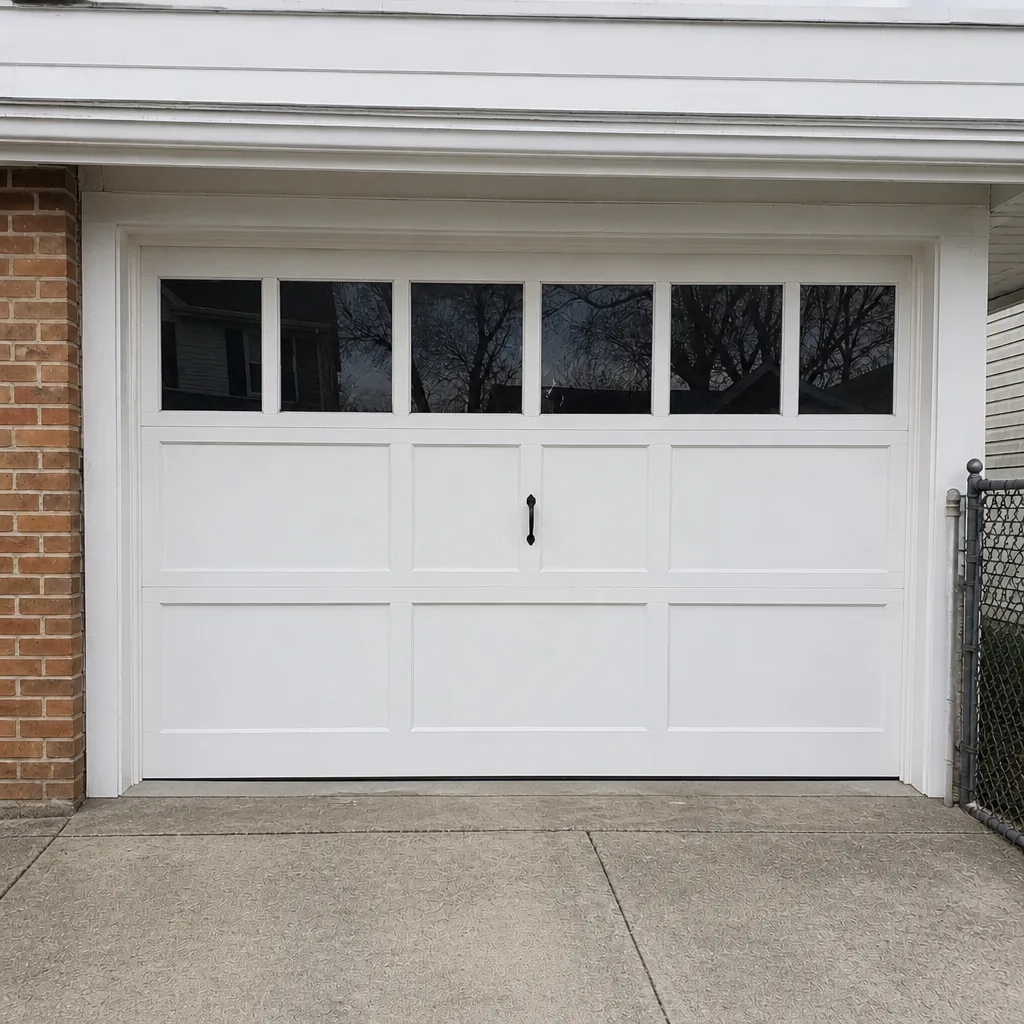
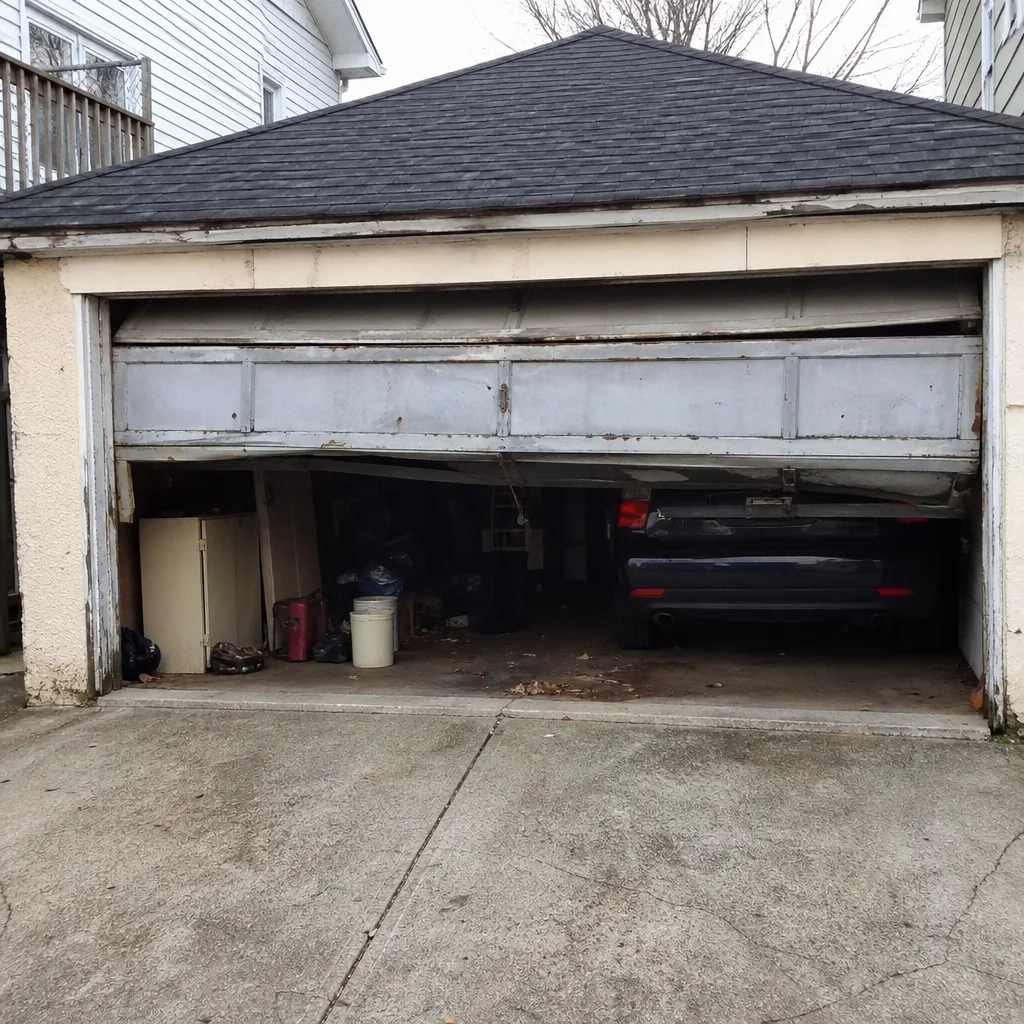
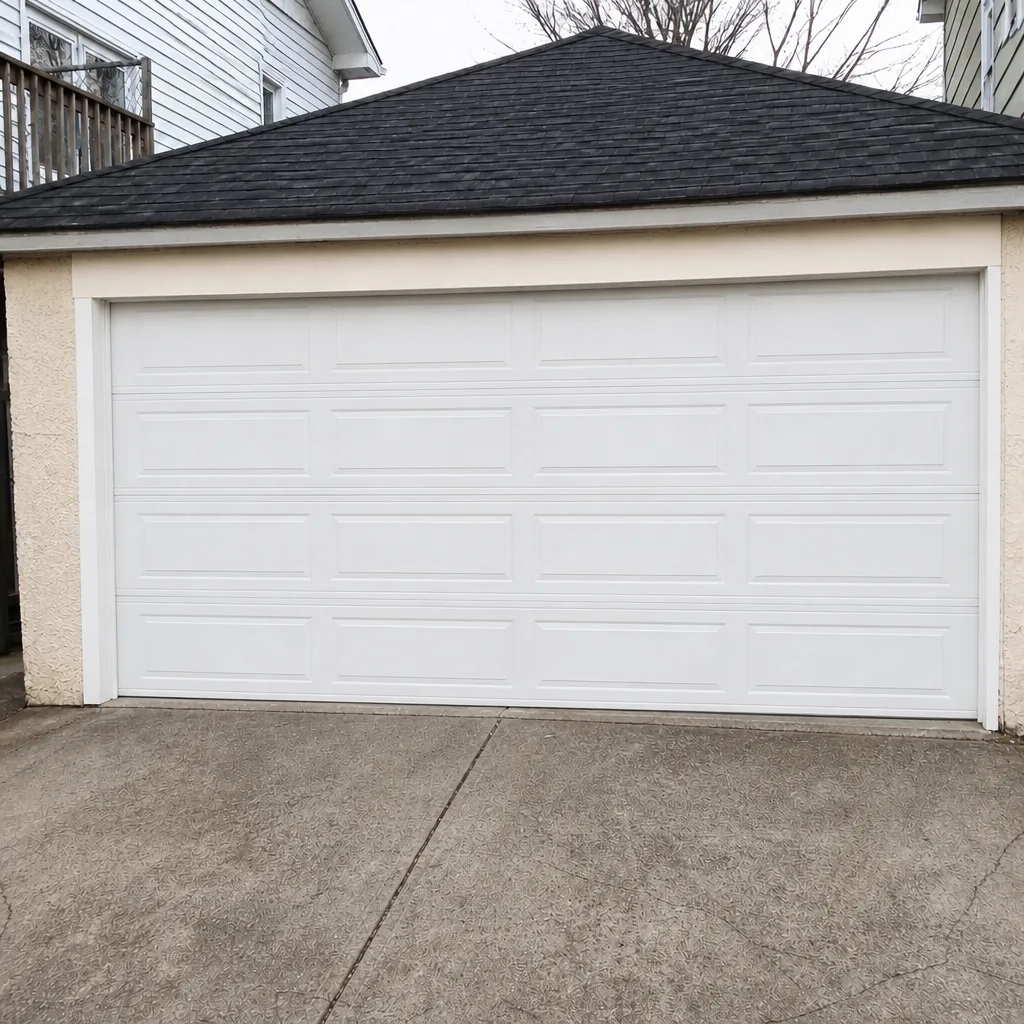
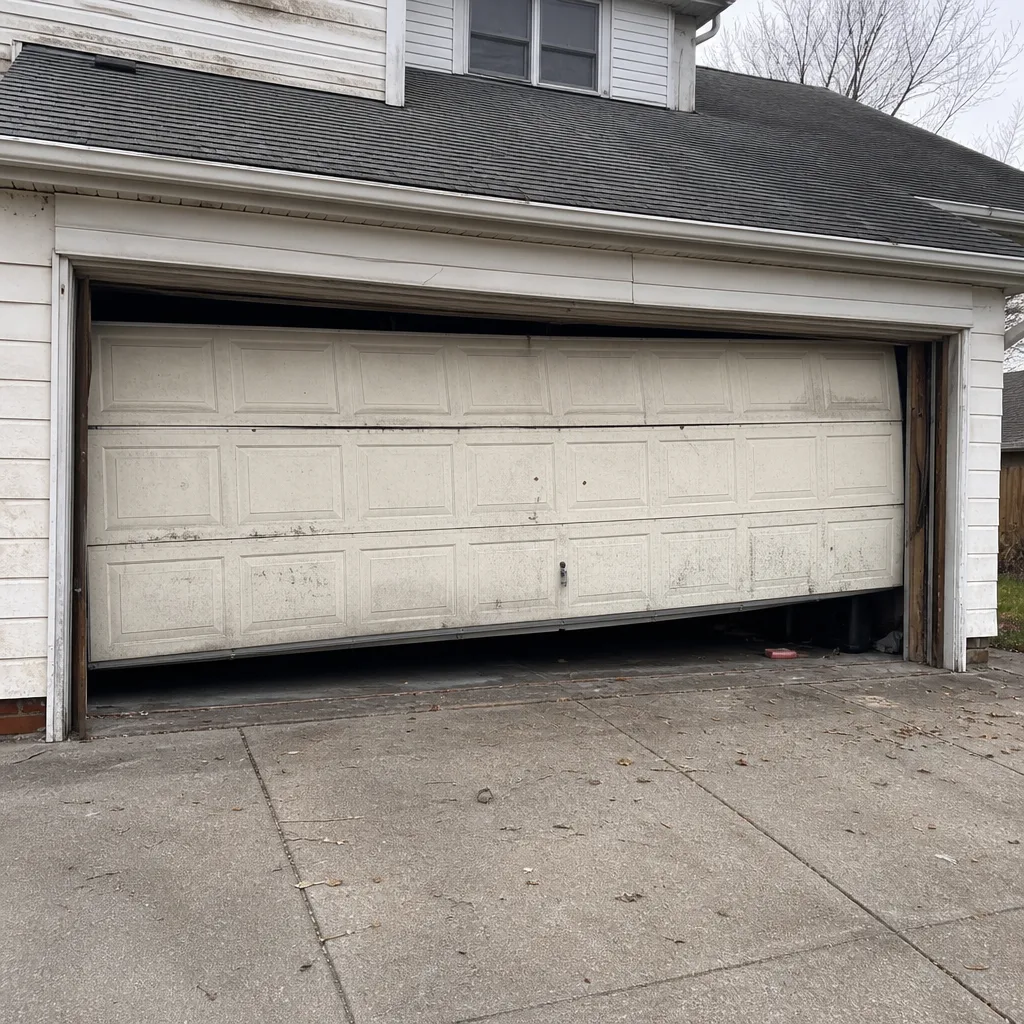
See the difference
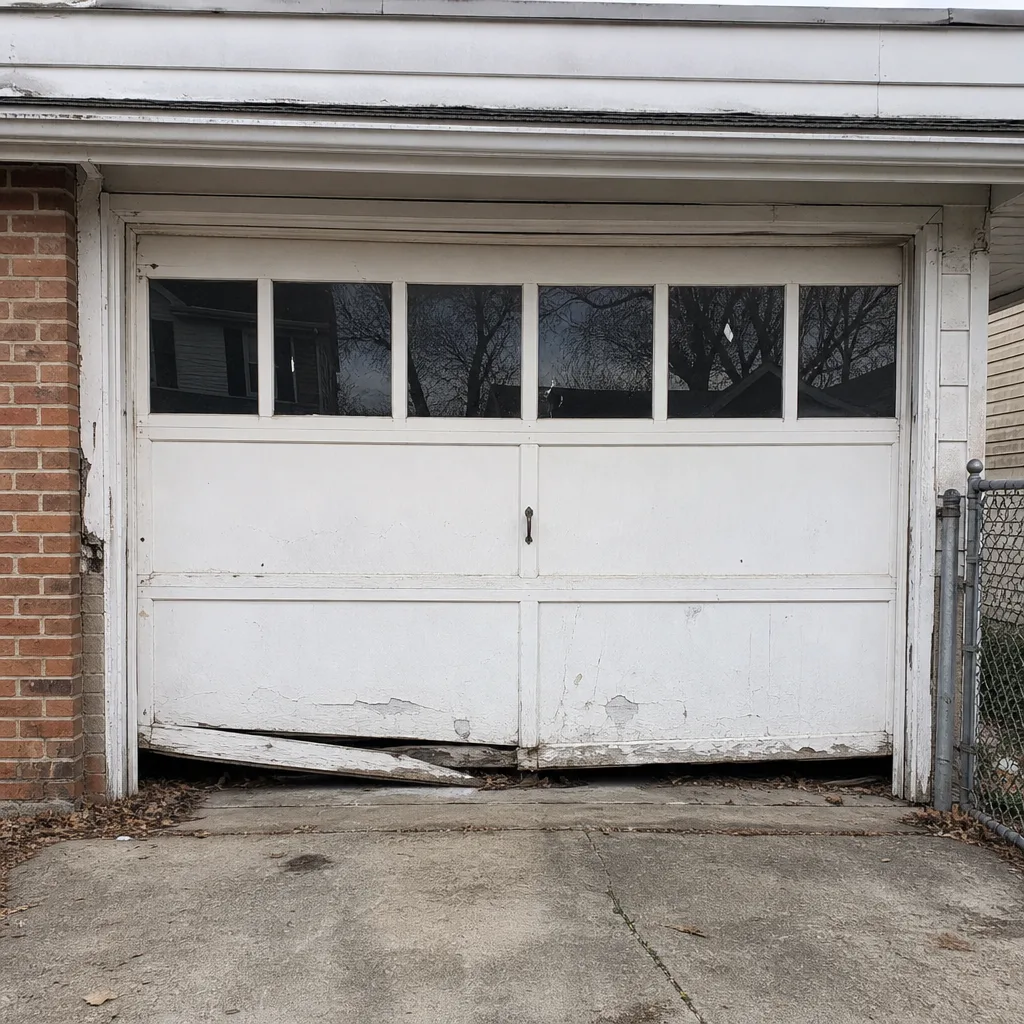 Before
 After
 Before
 After
 Before
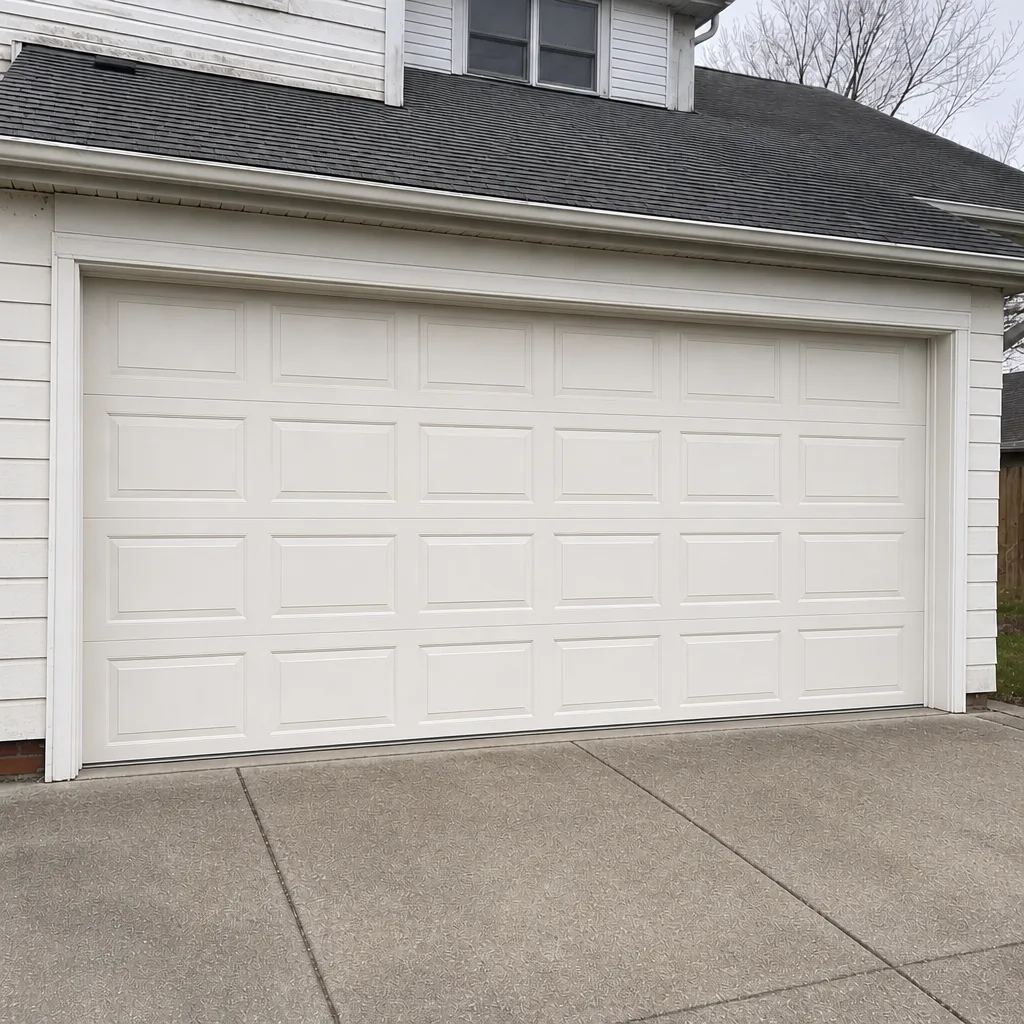 After
The Bottom Line
The biggest hiring mistake Journal Square homeowners make is choosing a contractor based on credentials rather than technical competency. A license gets a contractor to the door. What matters is whether they measure headroom, check the door’s balance, know the difference between a matched pair and a single spring, follow DASMA standards, and put parts model numbers on the written estimate. Check the state registration through the Division of Consumer Affairs before signing. Ask the technical questions. Insist on the written estimate. Walk through the safety tests at the end. Do those four things and you’ll avoid most of the failures that turn a garage door repair into a much bigger job. And if you’re at the point of calling, Garage Door Repair Journal Square works on the brands you already own.
Contact Us
If your door won’t move, or you’re ready to sort out your springs, opener, or a full replacement, call (833) 968-6578. We answer 24/7. Fast dispatch from 7am to 7pm, Sunday through Friday, closed Saturday. When you need a specialist rather than a generalist, garage door opener repair and spring work are the two jobs where that difference shows up fastest. The estimate is free, the price is quoted and agreed before any work starts, and we’ll tell you what your door actually needs before we touch it.
Written by the team at Garage Door Repair Journal Square.