
Last updated November 21, 2026
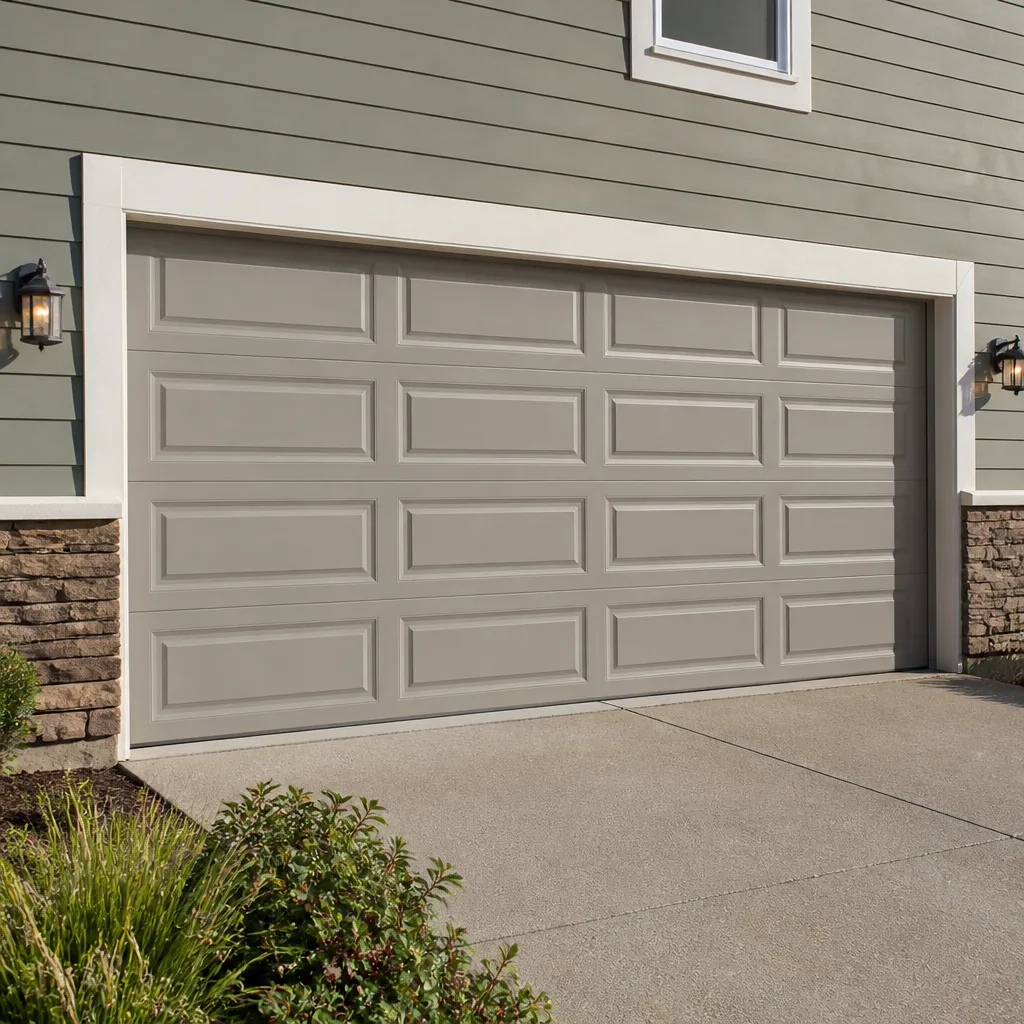 Raised-panel steel
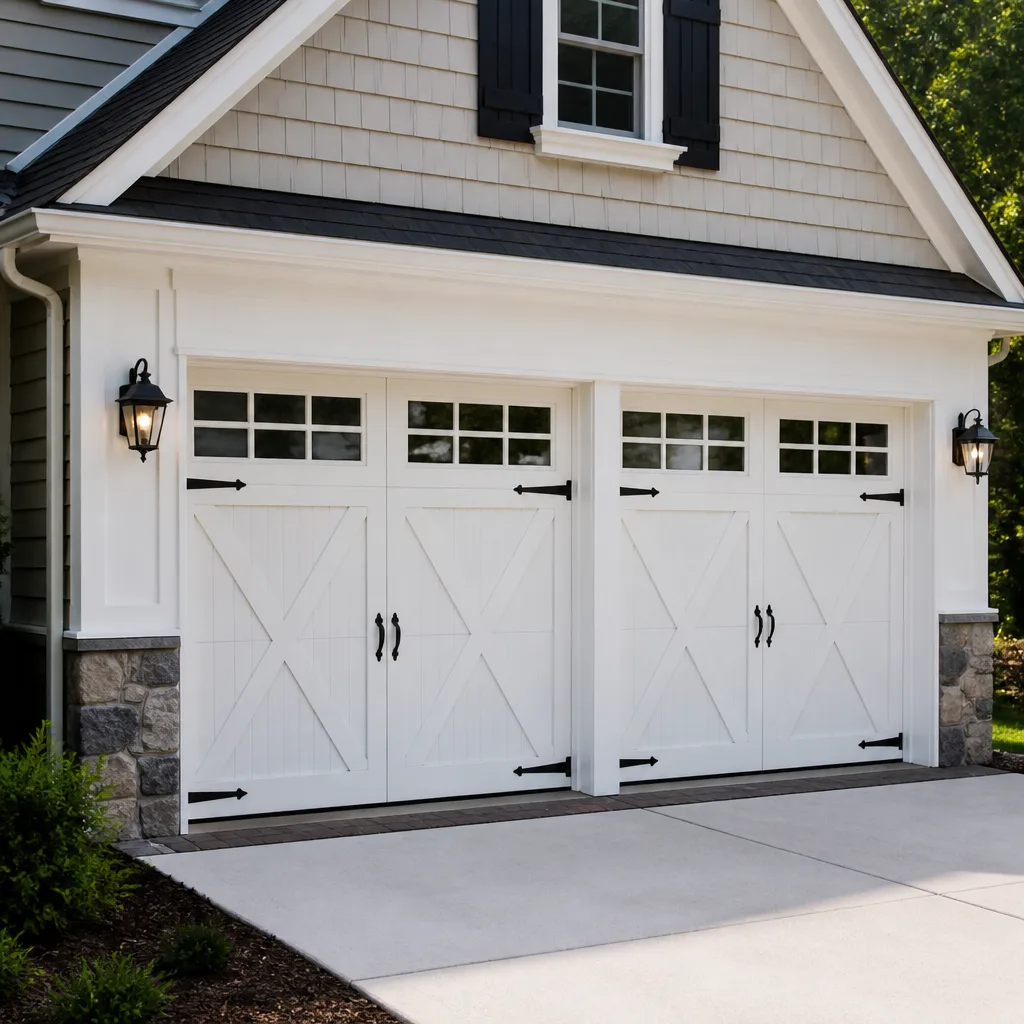 Carriage house
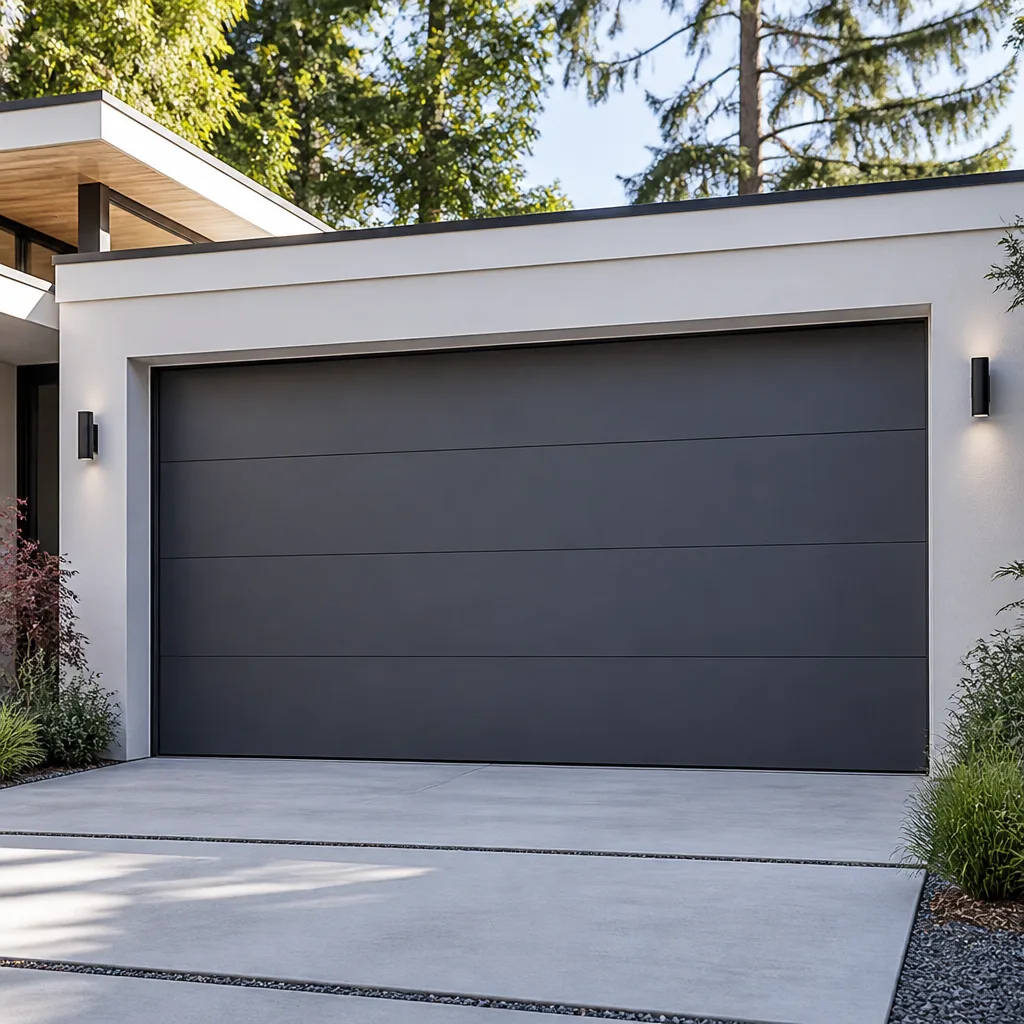 Modern flush
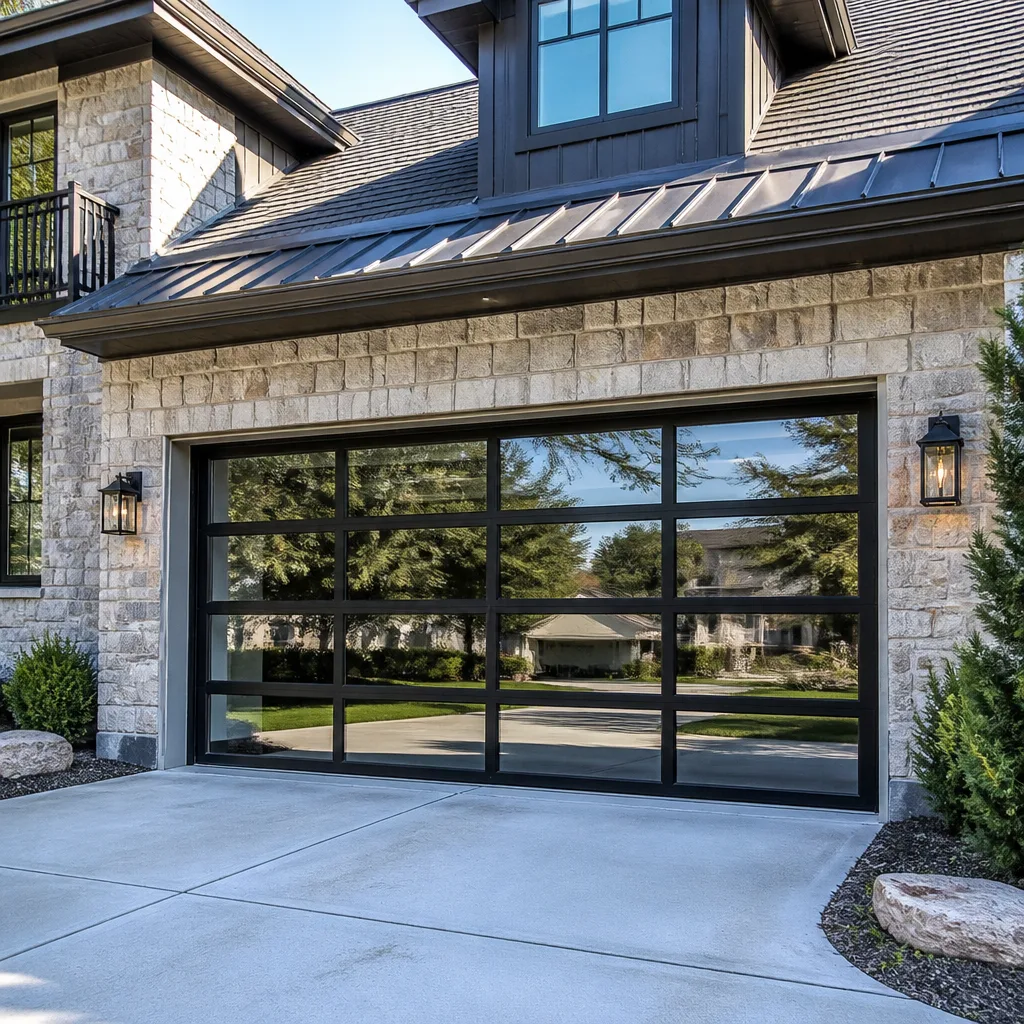 Full-view glass
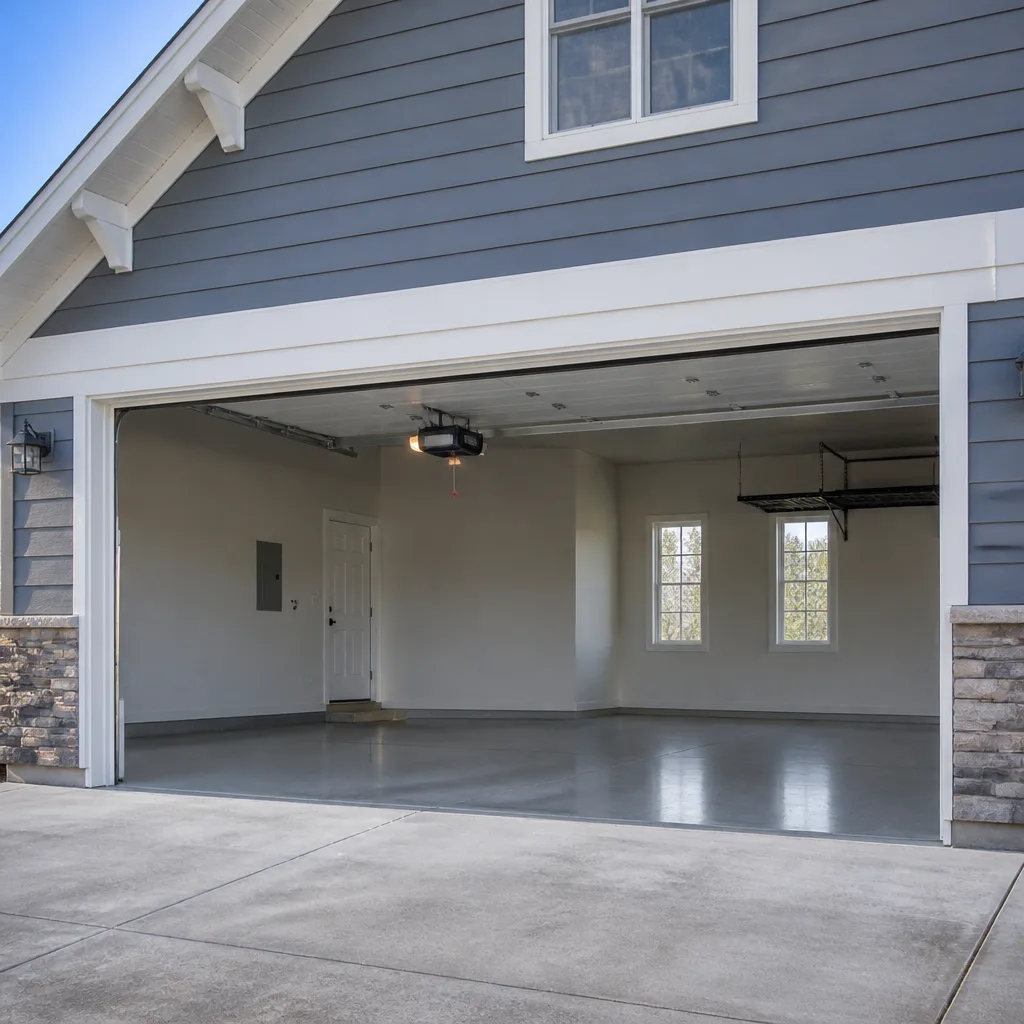 LiftMaster openers
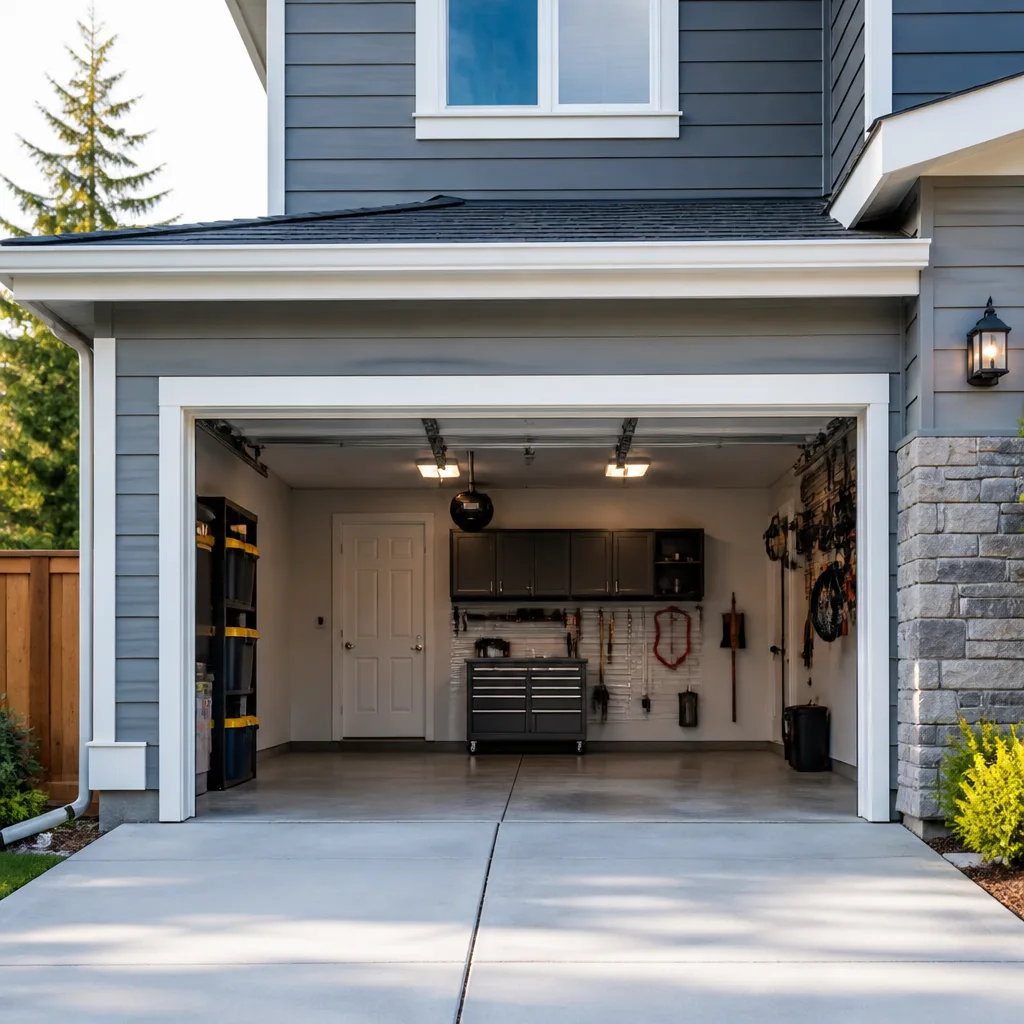 Chamberlain openers
Full 25-point door and opener safety check with every visit - springs, cables, rollers, tracks, and your LiftMaster or Chamberlain opener included
You get a price before we start. It does not change when the pro arrives.
Get your free estimateThe Complete Guide to Garage Doors in Journal Square
Most Journal Square garages were built before automatic openers existed. That single fact explains more door problems in this neighborhood than any brand, any spring, or any motor. The opening your door rolls or swings through was framed for a person pulling a handle by hand – not for a torsion assembly, a rail, and a trolley that need clearance the original carpenter never had to think about. So when a door binds, screams, or stops halfway, the cause often sits in the structure around it, not in the hardware. This guide walks through what actually fits a Journal Square garage, how the neighborhood’s housing stock changes the equation, and when to stop fiddling and call someone.
Quick Answer
Garage door work in Journal Square is shaped less by door brand than by the building around it: narrow lots, attached row houses, and older openings with tight headroom and side clearance. A door that fits a suburban two-car garage often won’t fit here without a custom width, low-headroom hardware, or frame reinforcement. Get the opening measured before you shop for a door, and have springs, cables, and opener work handled by a specialist rather than a generalist.
Styles & brands we work with
- Raised-panel steel
- Carriage house
- Modern flush
- Full-view glass
- LiftMaster openers
- Chamberlain openers
Table of Contents
- How Journal Square’s Housing Stock Shapes Garage Door Choices
- Door Widths, Headroom, and Clearance in Older Attached Garages
- Noise, Neighbors, and Picking the Right Opener for a Row House
- Detached Garage vs. Converted Ground-Floor Garage in a Multi-Family
- Door Styles That Fit Brownstone and Victorian Architecture
- How to Tell If Your Existing Frame Needs Reinforcement
- Springs, Cables, and the Repair You Should Never DIY
- Repair or Replace? A Decision Framework
How Journal Square’s Housing Stock Shapes Garage Door Choices
Journal Square isn’t a subdivision. It’s a dense, layered urban neighborhood where the housing runs from early twentieth-century row houses to converted multi-families to newer infill, and the garages reflect every era in between. That variety matters because garage doors are not a universal product. A door is a moving system that has to fit a specific opening, hang from a specific frame, and clear a specific ceiling height. Get any of those wrong and you get a door that works on paper and fails in practice.
In our experience working throughout Journal Square, three structural realities come up again and again:
- Tight lots and narrow driveways. Many properties here were laid out for a single carriage or a small car. A standard double door simply won’t fit, and even some single doors need a custom width to leave room for the track and the frame.
- Low ceilings over the opening. Older garages often have less headroom than a modern door’s standard torsion assembly requires, which means low-headroom track and hardware rather than a standard kit.
- Shared walls and party walls. In attached row houses, the garage shares structure with the living space next door. That affects how a door is anchored, how vibration travels, and how loud an opener is allowed to be.
None of this is a reason to avoid upgrading. It’s a reason to measure carefully before you buy. A specialist who works in Journal Square regularly will know what fits the neighborhood’s openings, and that’s a very different starting point than a big-box measurement. The right approach is to treat the building as the constraint and the door as the variable – not the other way around.
Door Widths, Headroom, and Clearance in Older Attached Garages
The most common mistake we see in older Journal Square garages is ordering a door to the nominal width of the opening and discovering, at install, that there’s no room for the track, hinges, or spring assembly. A garage door needs clearance on three sides: headroom above, sideroom beside, and backroom behind the tracks. Older framed openings frequently have less of all three than a modern door assumes.
Here’s the order of operations that prevents an expensive return:
- Measure the finished opening – the actual clear width and height between the jambs, not the rough frame.
- Measure headroom – the distance from the top of the opening to the ceiling, which determines whether a standard torsion assembly fits or you need low-headroom hardware.
- Measure sideroom – the space from the opening edge to the nearest wall or obstruction, which has to accommodate the vertical track and hinges.
- Measure backroom – how far the door travels back into the garage when open, which is often the tightest dimension in a shallow urban garage.
- Check the floor-to-opening relationship – an out-of-level floor or a settled frame changes how the bottom seal contacts the ground.
Only after those five measurements should you think about panel style or color. If a standard width won’t work – and in Journal Square it often won’t – the answer is a custom-size door, not a door forced into an opening it doesn’t fit. That’s true whether you’re evaluating a new Amarr or Wayne Dalton model or keeping the door you already have. This is also where a proper garage door installation assessment earns its keep: measurement and fit are decided before anything is ordered. Get the numbers first and the rest falls into place.
Noise, Neighbors, and Picking the Right Opener for a Row House
In a detached suburban garage, opener noise is a personal annoyance. In a Journal Square row house, it’s a shared one. When the garage wall adjoins a neighboring unit or sits under a bedroom, the wrong opener turns every entry and exit into a sound that travels through the structure. Motor type, mounting, and belt-versus-chain all matter more here than they do almost anywhere else.
What actually reduces noise in this setting:
- Belt-drive openers run quieter than chain-drive, which is the single biggest lever in a row-house garage.
- Isolation mounts between the opener and the ceiling reduce vibration transfer into shared framing.
- Proper rail alignment and lubrication prevent the rattle that comes from a door and opener fighting each other.
- Roller choice matters too – nylon rollers are quieter than metal and wear more gently on older tracks.
We work on openers from LiftMaster, Chamberlain, Genie, and Craftsman, so the practical question usually isn’t which brand to buy but which unit suits the building. If you already have a working opener that’s just loud or misbehaving, garage door opener repair is often more sensible than replacement – the motor may be fine and the noise coming from worn rollers or a misaligned rail. The wrong move is buying the biggest, heaviest opener on the shelf for a small door in a shared-wall garage. Match the opener to the door weight and the building, and the whole system runs calmer. Neighbors notice. So does the door.
Detached Garage vs. Converted Ground-Floor Garage in a Multi-Family
Two garage types dominate Journal Square, and they fail in different ways. A detached garage is a standalone structure with its own frame, roof, and slab. A converted ground-floor garage is a former carriage space or ground-level bay folded into a multi-family building – sharing walls, sometimes sharing a ceiling with living space above, and often carrying a door that was retrofitted rather than designed. Treating them the same is the source of a lot of misdiagnosis.
Detached garages tend to have more generous clearances and more forgiving structure. Their common issues are settling slabs, weathered frames, and doors that have been patched repeatedly. Replacement here usually goes smoothly once the opening is measured, because you’re working with a straightforward building.
Converted ground-floor garages are trickier. The opening may be original to the building or cut in later, the headroom above is frequently borrowed from a floor system, and the surrounding structure has often been modified over the decades. A door that looks like a simple swap can turn into frame reinforcement and track repositioning. This is where a specialist who reads old buildings earns their fee – you need to know what’s holding up what before you anchor anything.
In both cases, the work is the same in principle: assess the structure, measure the opening, match the door and hardware to it, then install. The difference is how much of that assessment is routine and how much is discovery. In Journal Square’s converted garages, budget for the possibility that the frame is doing more work than it looks like. A proper repair assessment from someone who knows the neighborhood helps you plan for that before a door is even ordered. That’s a garage door repair conversation worth having early.
Door Styles That Fit Brownstone and Victorian Architecture
A garage door is a big flat surface, and on a brownstone or a Victorian row house it either belongs or it doesn’t. The wrong door – too glossy, too modern, the wrong proportions – reads as a patch on a building that was designed with care. The right one disappears into the architecture. In Journal Square’s older housing, the doors that work best share a few traits.
- Sectional doors in a carriage-house style mimic the paneled look of original wooden doors while giving you modern insulation and operation.
- Muted, matte finishes – deep greens, browns, and warm grays – sit better against stone and brick than bright or high-gloss colors.
- Panel proportions that echo the building – taller panels, restrained detailing, no oversized windows – keep the door from competing with the facade.
- Wood-look or steel with a wood-grain finish gives the warmth of the original without the maintenance a real wood door demands in this climate.
Brands like Clopay and Raynor offer carriage-style and paneled profiles that fit this aesthetic without looking like a modern showroom door dropped onto an old building. The mistake is choosing by catalog photo rather than by building. What looks elegant in a brochure can look out of place on a narrow brownstone bay. If you’re weighing options, look at what’s already on the block, then choose a door that respects it. That’s not nostalgia – it’s the principle that a door should look like it was always there.
How to Tell If Your Existing Frame Needs Reinforcement
Before any new door goes in, the frame around the opening has to be sound. A garage door hangs its entire weight – door, springs, track, and opener – from the framing and the header above the opening. In older Journal Square buildings, that framing has sometimes been carrying load for a century, and it has sometimes been altered by someone who didn’t know what they were doing. Reinforcing a weak frame before installation is not optional; it’s what keeps the new door from tearing out of the wall.
What to have checked before ordering a door:
- The header above the opening – check for sag, soft wood, or evidence of past water damage.
- The jambs and side framing – look for rot, cracked members, or a bow that would throw the track out of plumb.
- The anchor points – confirm there’s solid material to fasten the track and spring bracket into, not just sheathing.
- The connection to the building – in a converted garage or shared-wall structure, confirm the frame is tied into something structural.
- The floor and sill – a settled slab can leave a gap or a tilt that a new door won’t seal against without correction.
If any of those checks turn up a problem, reinforcement comes first and the door comes after. This is the kind of thing that’s easy to skip when you’re excited about a new door, and expensive to discover after the fact. A specialist who installs doors for a living will tell you plainly whether your frame can take the new hardware – and if it can’t, what it needs. That honesty is worth more than a quick sale.
Springs, Cables, and the Repair You Should Never DIY
Garage door springs are under enormous tension, and they are the most dangerous component in the entire system. A torsion spring holds the weight of the door; if it releases unexpectedly, it can cause serious injury. This is the one part of the trade where we draw a hard line: spring and cable work belongs to a trained technician, full stop. We don’t give step-by-step instructions for it, and neither should anyone else.
What you should know as a homeowner:
- Know the warning signs. A snapped spring usually announces itself – a loud bang, a door that won’t lift, or a door that feels suddenly very heavy.
- Never force a door with a broken spring. The opener isn’t designed to lift the full weight of the door; forcing it can damage the opener or cause the door to fall.
- Don’t touch cables under tension. Cables and springs work together and either can release violently.
- Call a specialist. Spring repair is a core service for us because it’s genuinely skilled, dangerous work that rewards real trade depth.
When a spring fails, the door may stop opening entirely, which in a Journal Square multi-family can mean a car trapped or a security gap overnight. That’s exactly the kind of situation our emergency garage door service in Journal Square exists for. Call, describe what happened, and a technician will handle the spring safely rather than have you wrestling with tension you can’t see.
Repair or Replace? A Decision Framework
Homeowners ask us this constantly, and the honest answer depends on the door’s age, its structural condition, and how many systems are failing at once. A single broken spring on an otherwise sound door is a repair. A door that’s rusted through, off its track, and attached to a failing opener is a replacement conversation. There’s no single rule, but a framework helps.
Lean toward repair when:
- The door panels are structurally sound with no rot, cracks, or separation.
- The problem is isolated – one spring, one roller set, one opener issue.
- The tracks and frame are plumb and intact.
Lean toward replacement when:
- Panels are damaged, rusted through, or delaminating.
- The door is off-track and the tracks or frame themselves are bent.
- Multiple systems are failing at once and the door has reached the end of its service life.
In Journal Square, replacement decisions often get pulled toward a third path: the door needs to change size or type to fit the opening properly, in which case a new door and a fresh fit solve several problems at once. We handle both repair and full garage door installation, so the recommendation comes from the same specialist either way. The goal is the same door, right fix – no upsell, no pushing a replacement when a repair will do.
Common Mistakes to Avoid
- Ordering a door before measuring the opening. In Journal Square’s older attached garages, a nominal-width door often doesn’t clear the track and sideroom. Measure first, order second.
- Ignoring headroom. A standard torsion assembly needs clearance above the opening. If your older garage has a low ceiling, you need low-headroom hardware, not a forced fit.
- Buying the loudest, biggest opener for a shared-wall garage. A belt-drive opener on isolation mounts keeps the peace in a row house far better than an oversized chain-drive unit.
- Treating a converted garage like a detached one. Ground-floor garages in multi-families share structure with living space and often need frame assessment before installation, not just a new door.
- Choosing a door by catalog photo. What suits a new build can look out of place on a brownstone. Match the door to the architecture of the block.
- Skipping the frame check. A weak header or rotted jamb will not hold a new door safely. Reinforcement before installation is what keeps the door in the wall.
- Forcing a door with a broken spring. The opener can’t lift the full weight, and the door can come down. Call a specialist instead of forcing it.
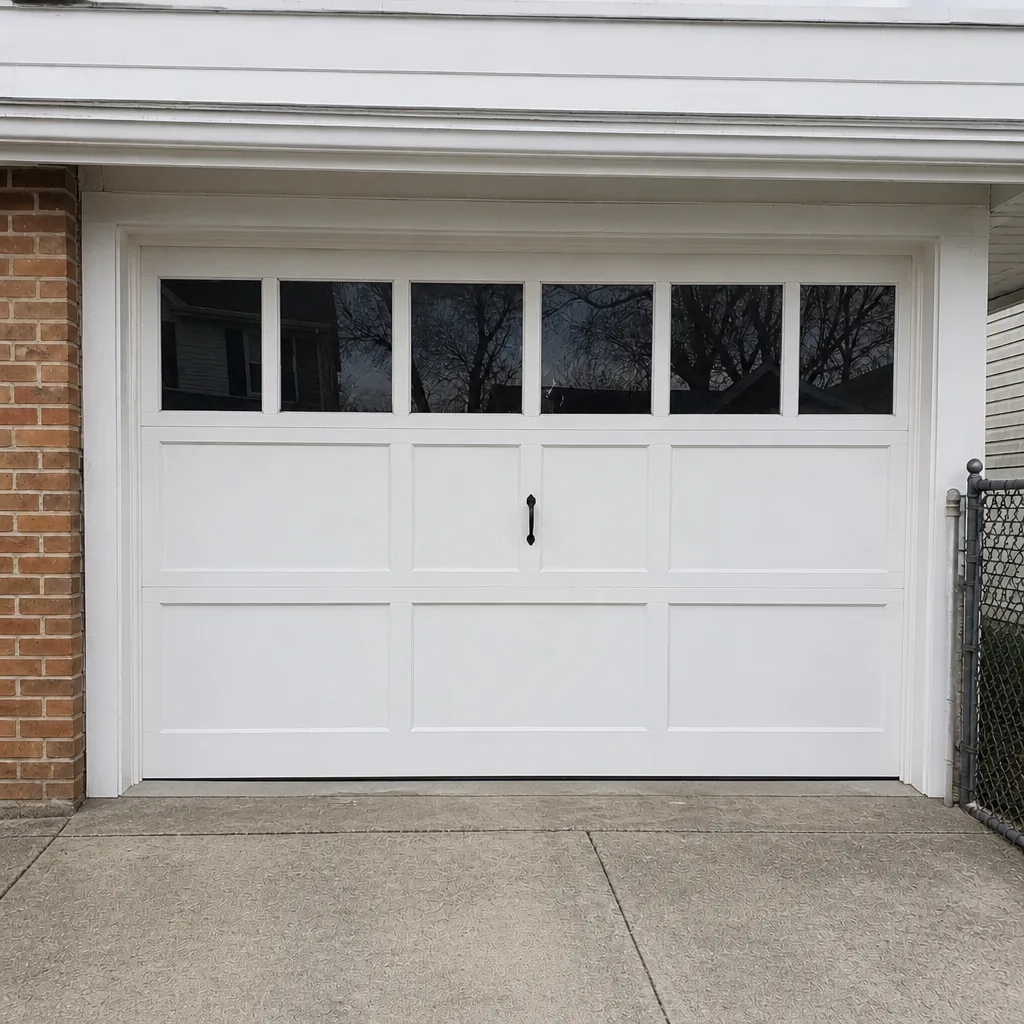
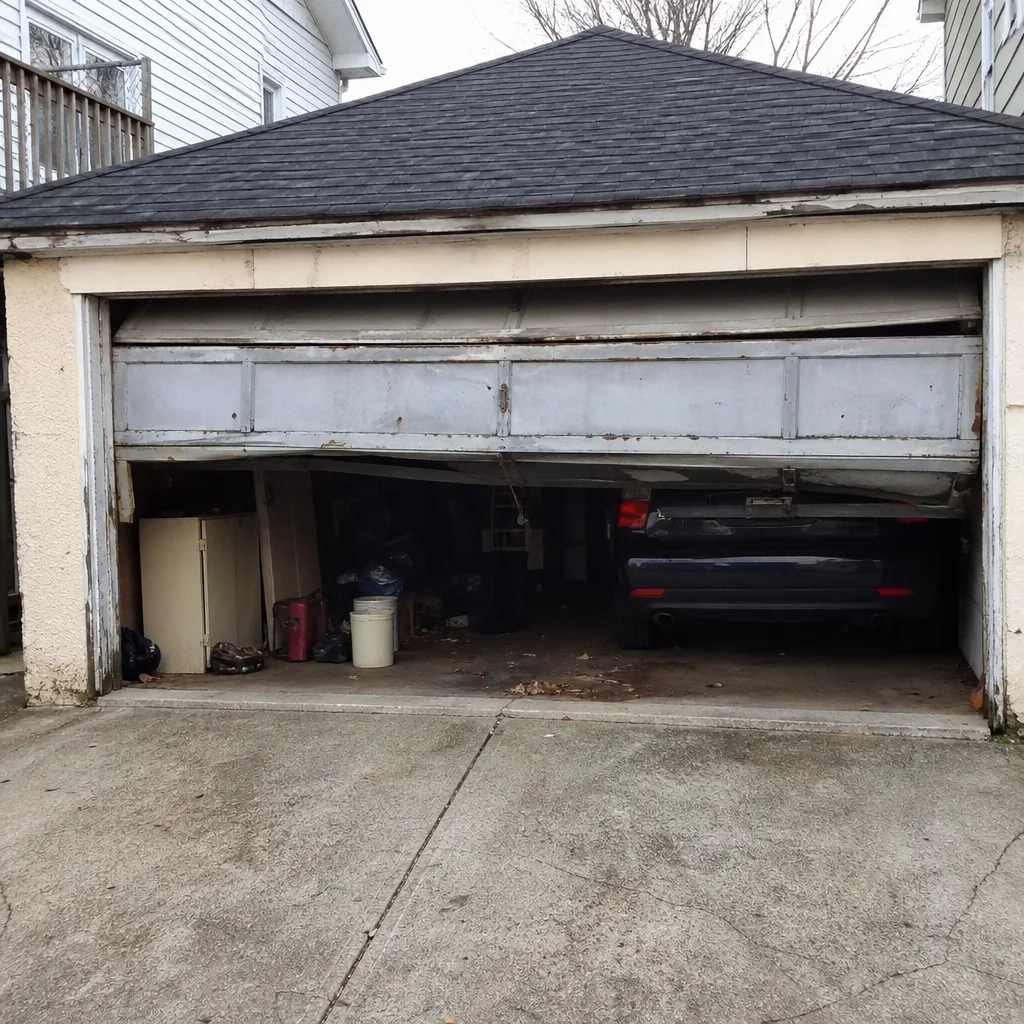
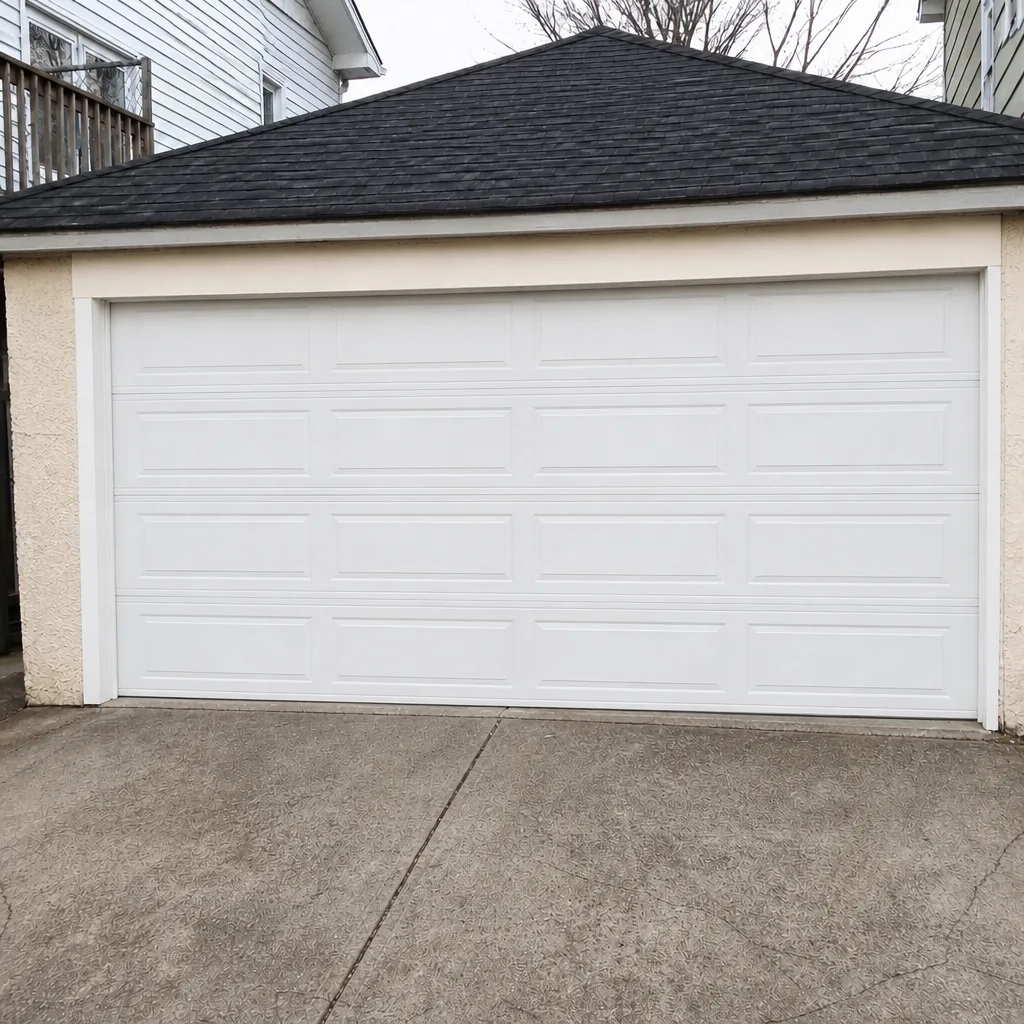
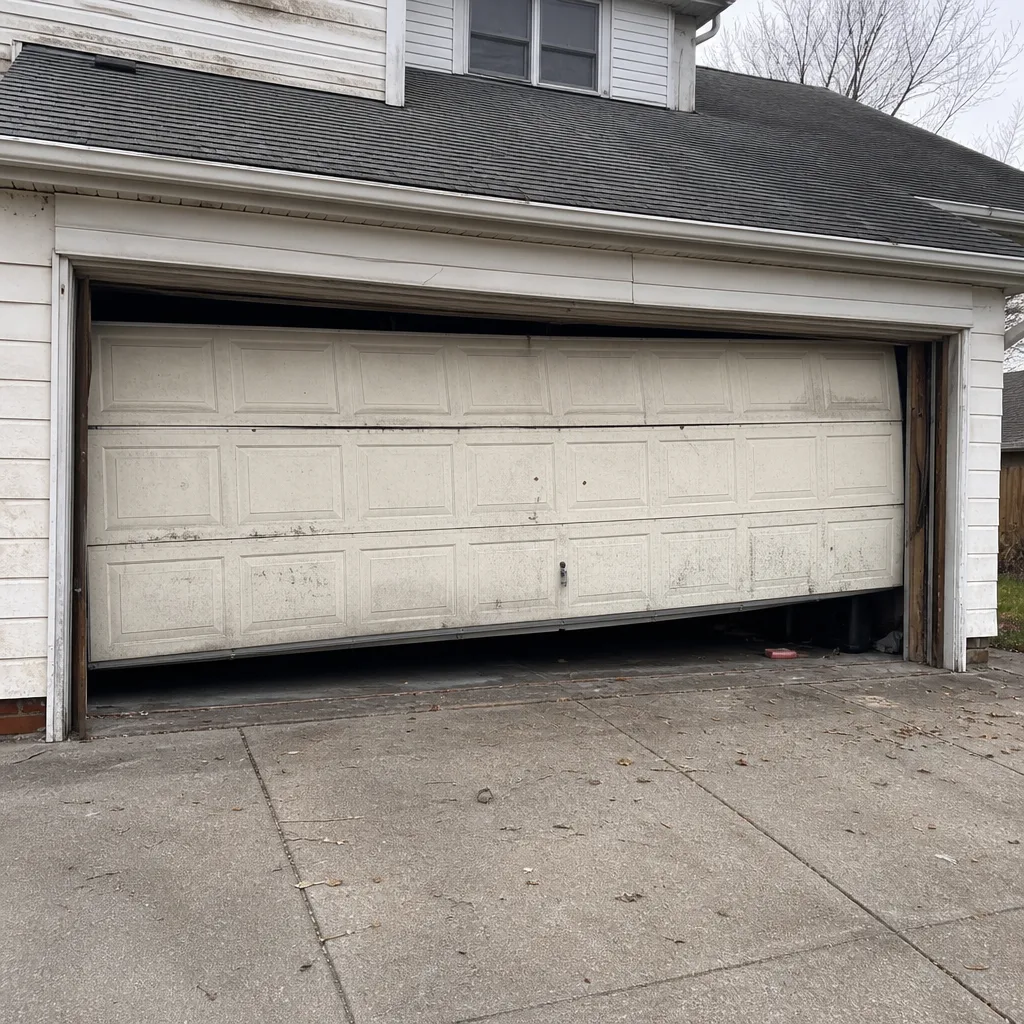
See the difference
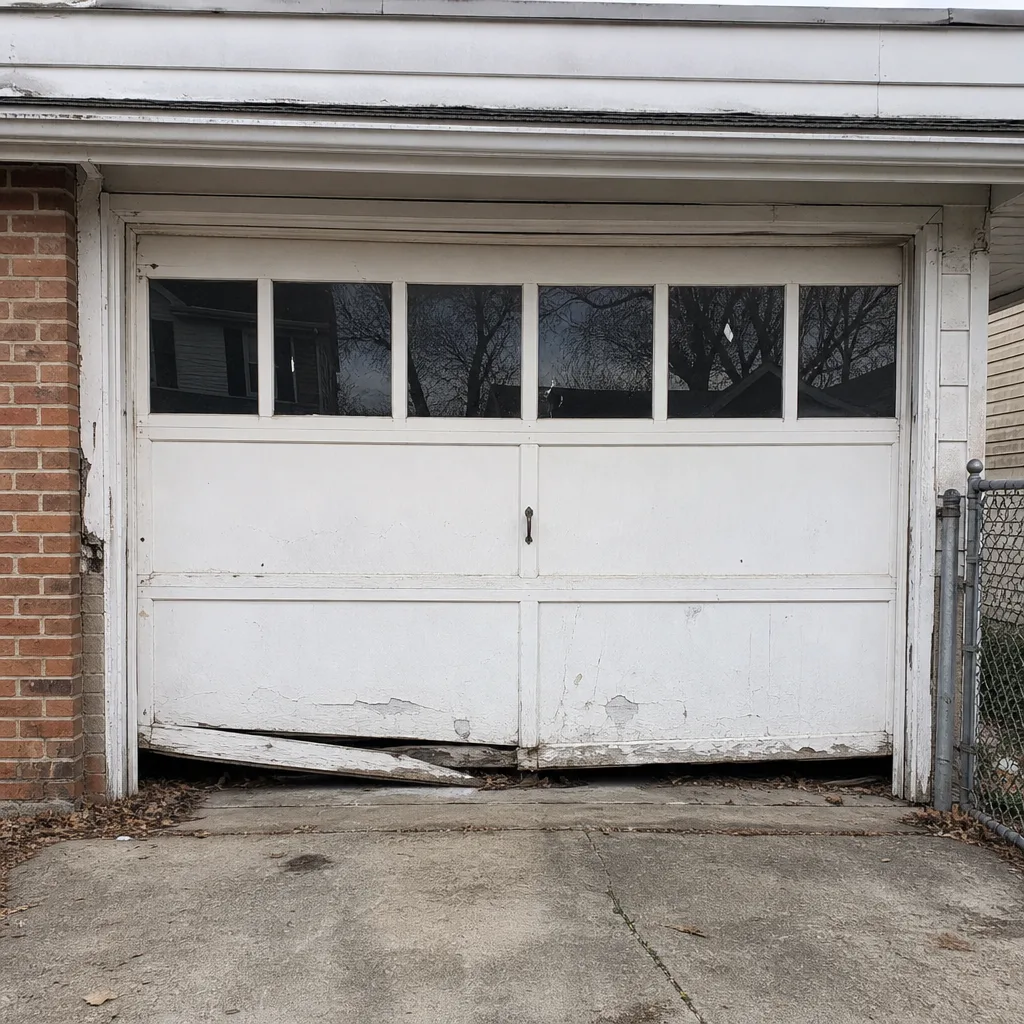 Before
 After
 Before
 After
 Before
 After
When to Call a Professional
Some door issues are small – a squeak, a slow roller, a remote that needs re-pairing. Others are genuinely dangerous or structural, and those are the ones to hand off. Call a specialist when a spring has snapped, when the door is off its track or hanging crooked, when the opener strains or the door feels suddenly heavy, when your frame shows rot or sag, or when you’re planning a replacement and need the opening measured before you buy. Our technicians have up to 8 years of experience working on doors and openers from the major brands, and Garage Door Repair Journal Square offers free estimates in Journal Square – call (833) 968-6578. We answer 24/7. Fast dispatch from 7am to 7pm, Sunday through Friday.
Frequently Asked Questions
A sectional door in a carriage-house or paneled style, often custom-width to fit a narrow opening, is the usual fit for a Journal Square row house. Older attached garages here tend to have tighter sideroom and headroom than suburban builds, so measurement comes before style. Once the opening is measured, a paneled steel door with a wood-grain or muted matte finish suits brownstone and Victorian architecture without looking out of place.
Yes, but the frame has to be assessed first. In older Journal Square attached garages, the header, jambs, and anchor points need to be checked for rot, sag, or prior modifications before any new door is ordered. If the frame is sound, a new door installs normally; if it isn’t, reinforcement comes first. A free estimate includes that assessment.
A belt-drive opener with isolation mounts is the quietest choice for a shared-wall row-house garage. Belt-drive units reduce the chain rattle that travels through shared framing, and isolation mounting between the opener and the ceiling cuts vibration transfer. Nylon rollers also help quiet the door itself. Call (833) 968-6578 for an exact quote – estimates are free.
Check the header for sag or soft wood, the jambs for rot or bow, and the anchor points for solid material to fasten into. If any of those are compromised, the frame needs reinforcement before a new door goes in. In Journal Square’s converted ground-floor garages, this check matters even more because the structure is often shared with living space above.
We work on doors and openers from the most widely installed brands, including Amarr, Wayne Dalton, Craftsman, and Raynor, along with LiftMaster, Chamberlain, Genie, and Clopay. That coverage means the same specialist can diagnose and fix the equipment you already have rather than push a brand change. Call (833) 968-6578 and we’ll confirm your model is covered – estimates are free.
Spring repair is often handled the same day when you call during dispatch hours. A broken spring is a safety issue – never force a door that has lost tension – so call (833) 968-6578 and describe the problem. We answer 24/7. A call outside dispatch hours is booked into the next opening, Sunday through Friday, 7am to 7pm.
The Bottom Line
Garage doors in Journal Square are a fit-the-building problem before they’re a product problem. Measure the opening, check the headroom and frame, and match the door and opener to the structure around them – especially in older attached and converted garages where clearances are tight and frames have history. Springs and cables are a professional job, no exceptions. When you want the opening measured before you buy, a spring handled safely, or a door that looks like it belongs on your block, a single-trade specialist gets it right the first time. Call (833) 968-6578 for a free estimate. We answer 24/7. Fast dispatch from 7am to 7pm, Sunday through Friday.
Written by the team at Garage Door Repair Journal Square.