
Last updated November 21, 2026
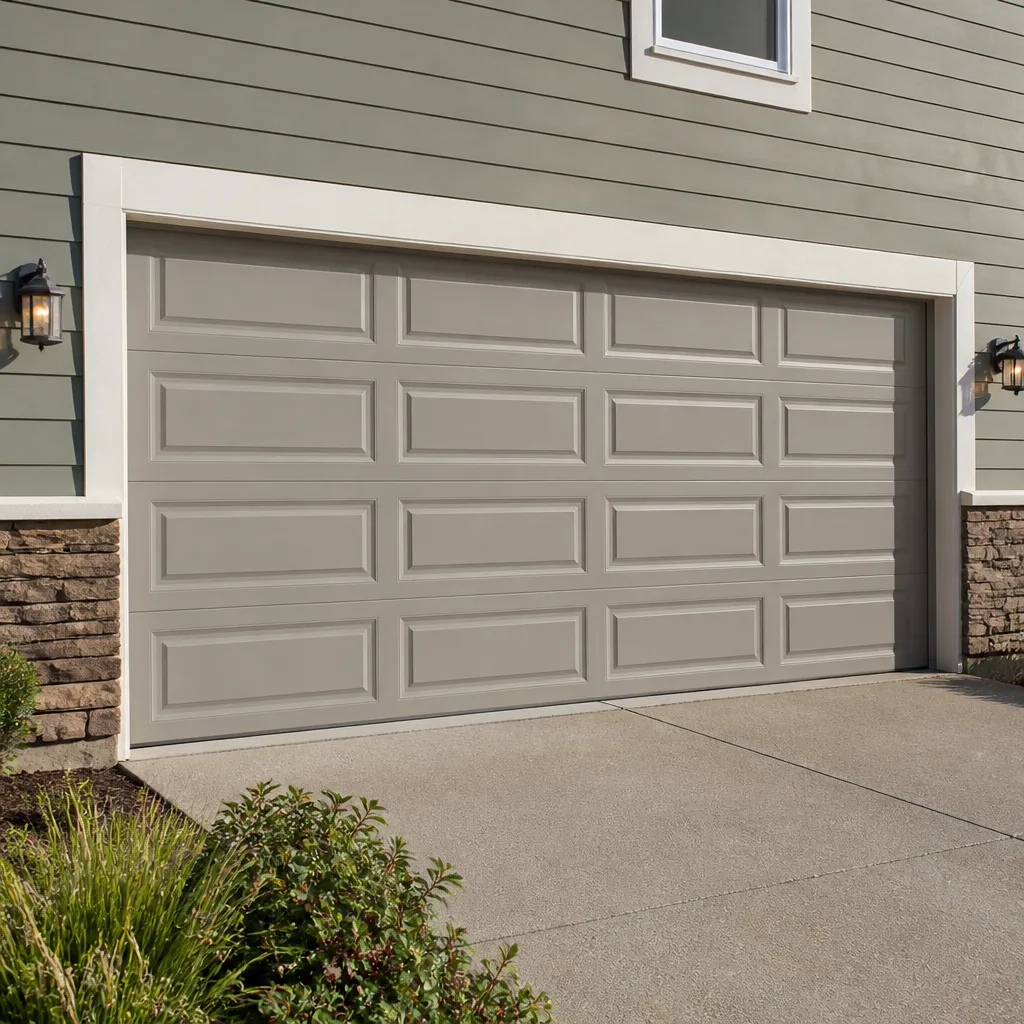 Raised-panel steel
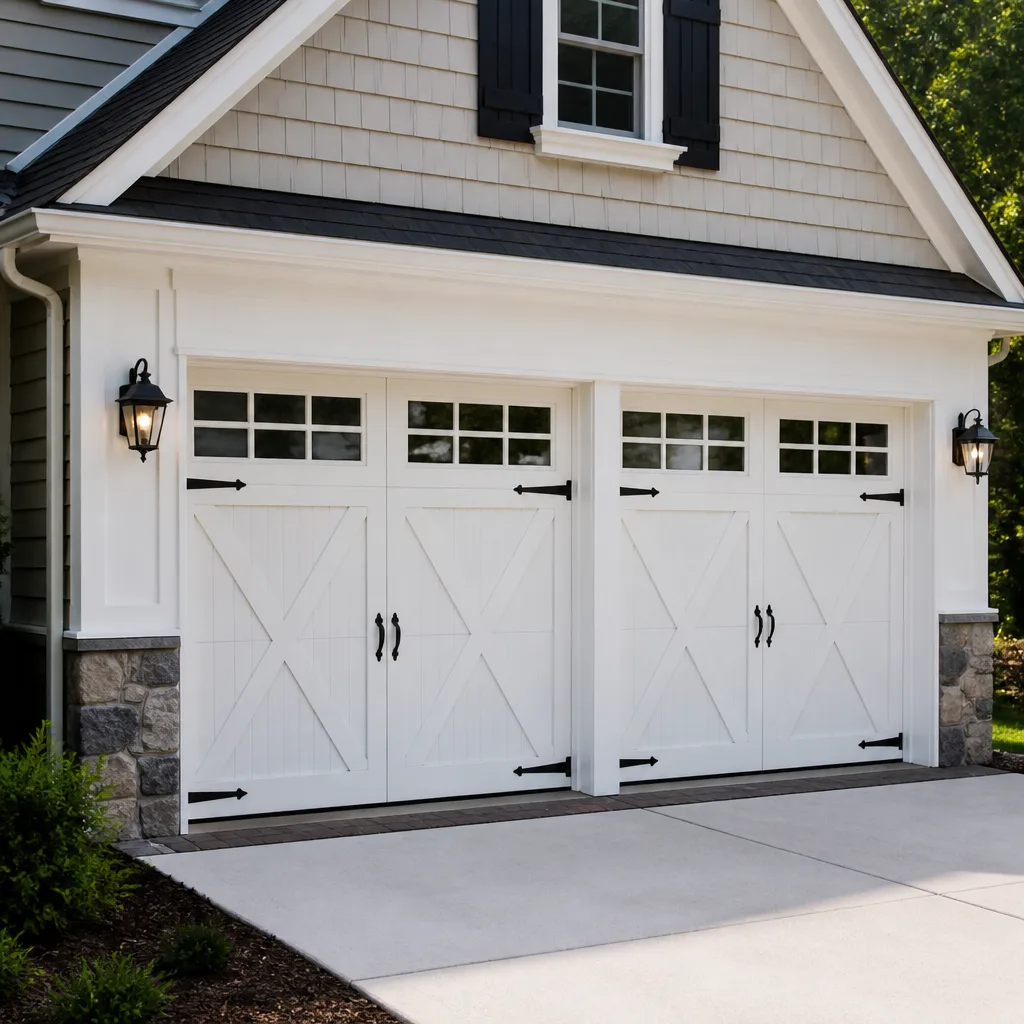 Carriage house
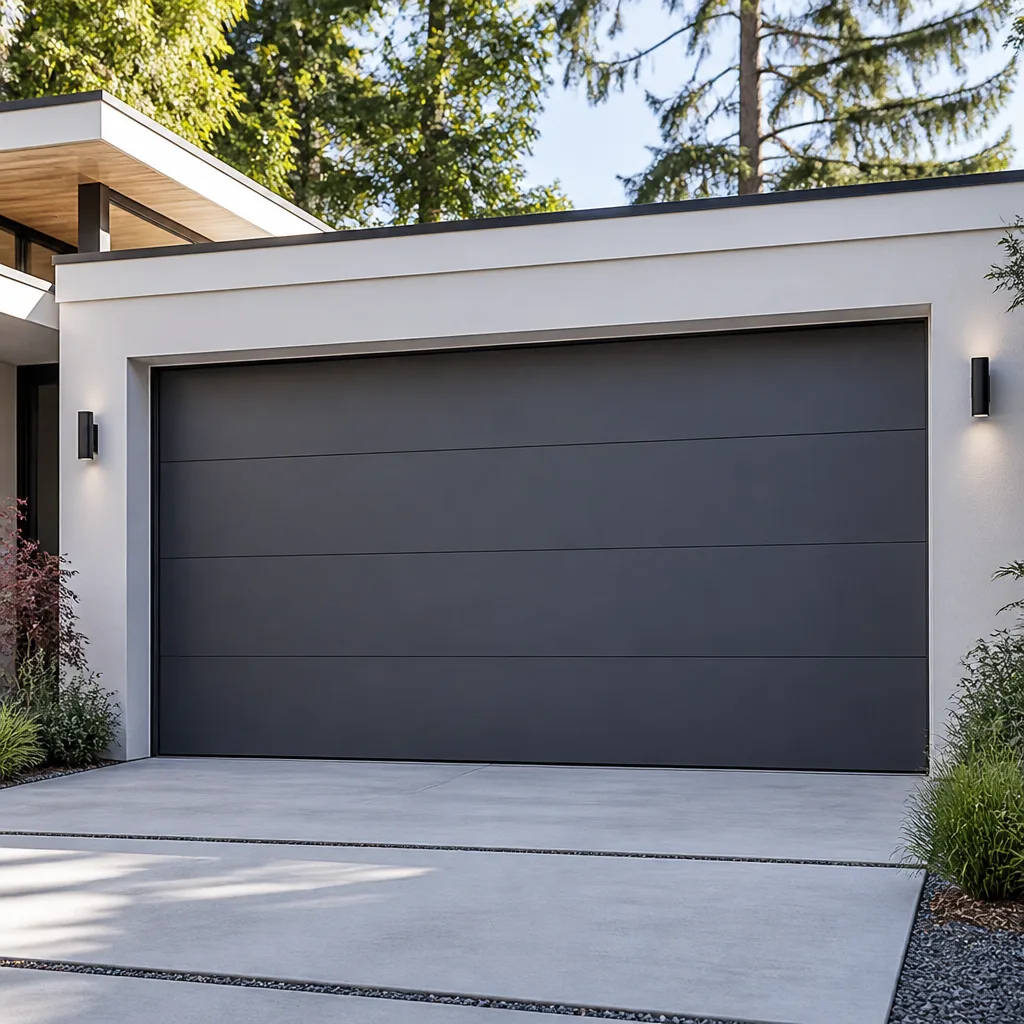 Modern flush
 Full-view glass
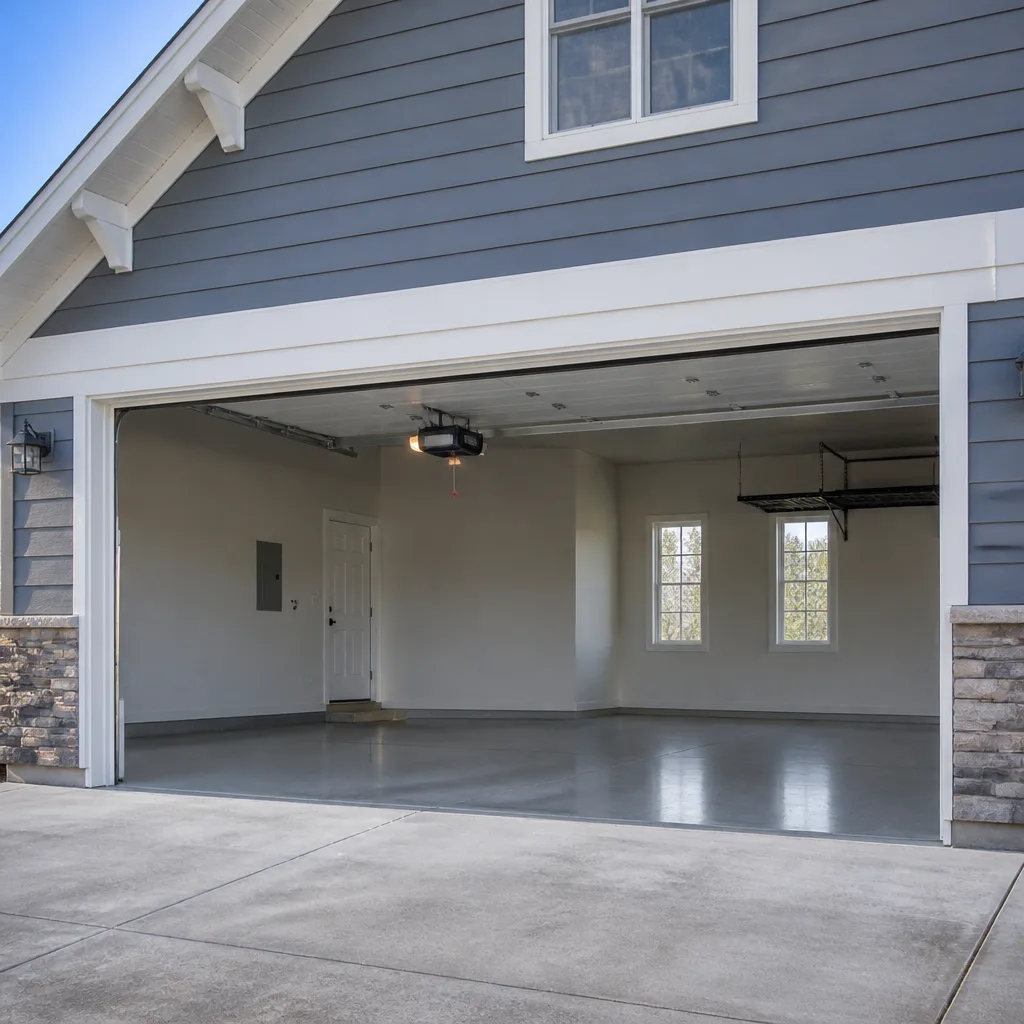 LiftMaster openers
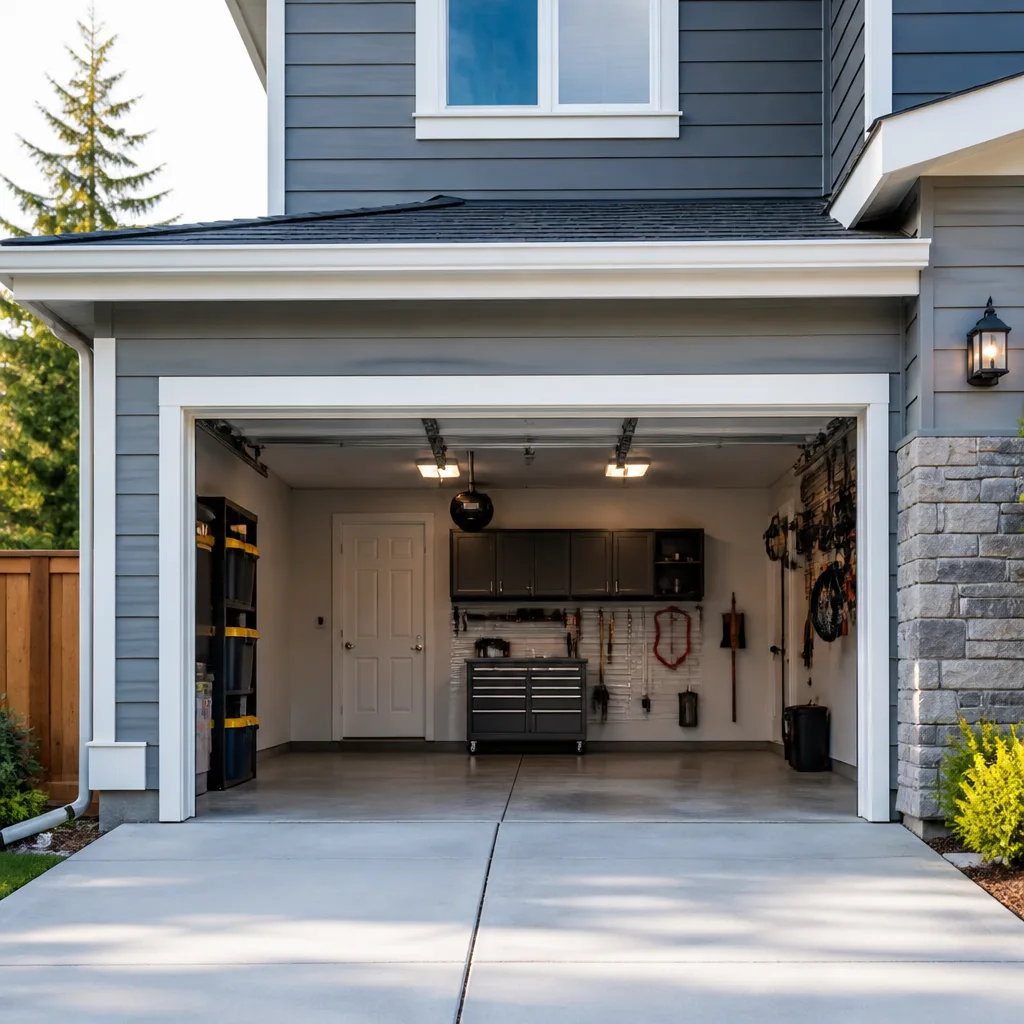 Chamberlain openers
Full 25-point door and opener safety check with every visit - springs, cables, rollers, tracks, and your LiftMaster or Chamberlain opener included
You get a price before we start. It does not change when the pro arrives.
Get your free estimateGarage Door Repair Maintenance Checklist for Journal Square Homeowners
Most homeowners think a broken spring is the first thing to fail after a rough winter. In our experience around Journal Square, it’s usually the bottom seal. The weatherstripping cracks, the door stops sealing, and nobody notices because a five-second glance at a closed door tells you almost nothing. By the time water and cold air have been sneaking in for a month, the damage is done. This guide covers the 11 components worth checking, what a failing version actually looks, sounds, and feels like, and how long each task takes. You’ll learn what a 20-minute self-check can catch and what needs a trained eye.
Quick Answer
A practical garage door maintenance checklist for Journal Square homes covers 11 components: springs, cables, rollers, hinges, tracks, the torsion bar and end bearings, cable drums, the opener and its safety reversal, the photo-eye sensors, the bottom seal, and the door panels and hardware. A 20-minute visual and listening check catches seal, roller, and sensor problems. Springs, cables, and drums need a technician. Check monthly, lubricate twice a year, and book a professional tune-up annually.
Styles & brands we work with
- Raised-panel steel
- Carriage house
- Modern flush
- Full-view glass
- LiftMaster openers
- Chamberlain openers
Table of Contents
- Why a Local Checklist Beats a Generic One
- The 11 Components to Inspect (and What Failure Looks Like)
- Lubrication: What Gets Skipped and What Gets Overdone
- How to Test Door Balance the Right Way
- Weatherstripping and Bottom Seals on Concrete vs. Asphalt Floors
- Opener and Safety Sensor Checks
- A Realistic Maintenance Schedule by Time
- Common Mistakes to Avoid
- When to Call a Professional
- Frequently Asked Questions
Why a Local Checklist Beats a Generic One
Manufacturer maintenance guides are written for a national audience. They assume a mild climate, a level driveway, and a garage that stays dry. Journal Square doesn’t fit that mold. The winters here swing between freeze and thaw, and that cycle works on rubber, metal, and concrete in ways a generic list never mentions. A product page can tell you to “inspect weatherstripping.” It won’t tell you that the bottom seal on a Journal Square garage is the first thing to go when the temperature drops hard and stays there.
The housing stock matters just as much. Journal Square has a mix of older detached garages, attached garages on narrow lots, and newer construction where the driveway pitch was cut tight to fit the property line. Each of those setups puts stress on different parts of the door. An older single-car garage with a wooden door and extension springs fails differently than a newer two-car garage with a torsion system and a belt-drive opener. The checklist below accounts for both.
What we’ve learned from working on doors across Journal Square is that failure patterns repeat. The same three or four parts wear out first on almost every door in this climate. That’s the logic behind this checklist: not everything that could theoretically go wrong, but the things that actually do. If you want the full picture on how we approach repairs, see Garage Door Repair Journal Square.
One more point. A checklist is only useful if you can act on what you find. Some items on this list you can fix in five minutes with a wrench and a rag. Others are genuinely dangerous to touch, and we’ll flag those clearly so you know where the line sits. Knowing where that line is protects both your door and your hands.
The 11 Components to Inspect (and What Failure Looks Like)
This is the core of the guide. For each component, we describe what a healthy part looks and sounds like, then what a failing part looks, sounds, or feels like. That distinction is what most checklists leave out, and it’s the part that actually helps you decide whether to call someone.
1. Torsion and Extension Springs
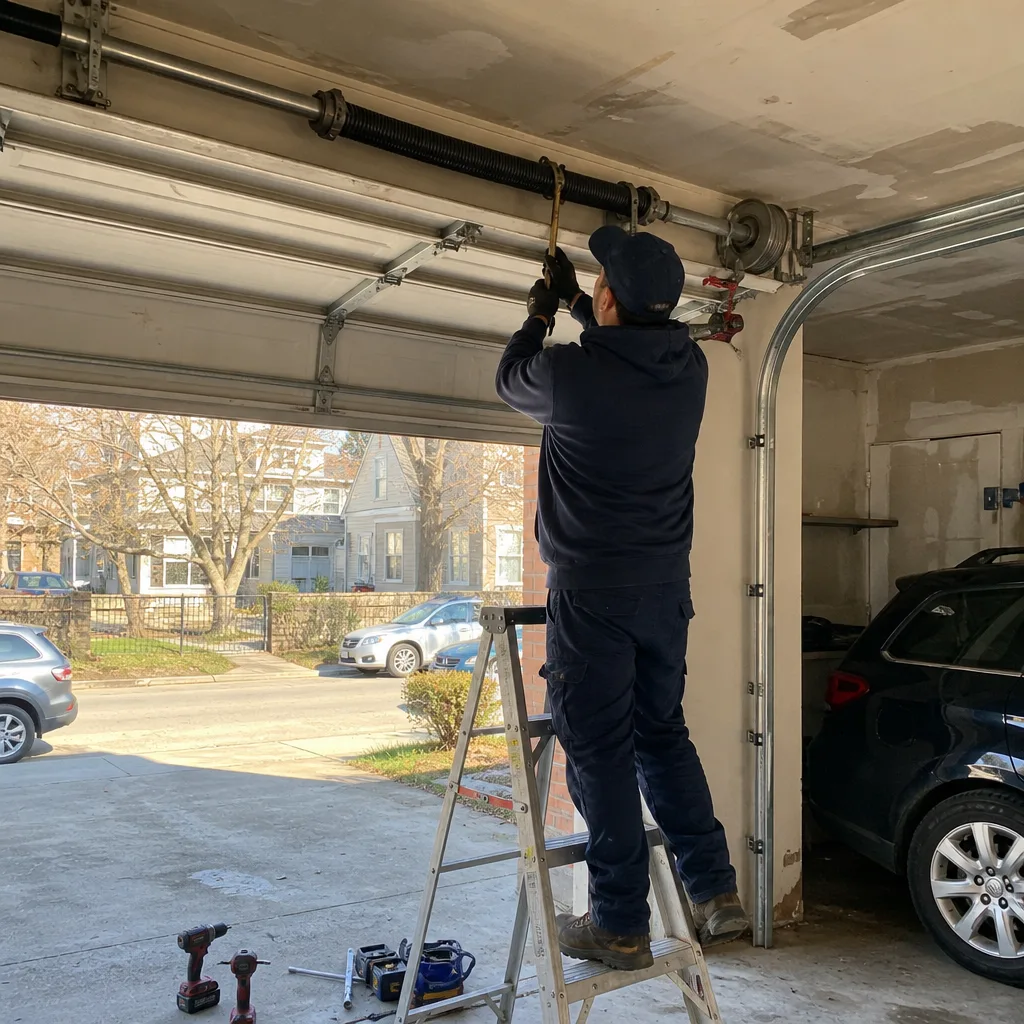
Healthy springs are silent and intact. A torsion spring sits above the door on a metal shaft; extension springs run along the sides. Look for gaps in the coil, a stretched-out appearance, or rust that has eaten into the metal. Listen for a sharp bang from the garage. Feel is harder here because springs are under tension and you should never touch them to test. Do not attempt to adjust, remove, or repair springs yourself. They store enormous force and can cause serious injury. This is the one item on the list where a visual glance is all you should do.
2. Cables
Cables are the steel ropes that connect the door to the spring system. A healthy cable is taut, straight, and free of fraying. A failing cable looks fuzzy, has broken strands sticking out, or sits slack and off its drum. If you see either, stop using the door and call a technician. A snapped cable can whip with force.
3. Rollers
Rollers guide the door along the track. Healthy rollers are quiet and roll smoothly. Failing rollers are chipped, flat-spotted, or grinding. Nylon rollers wear more quietly than steel ones but still fail over time. If the door gets louder every month, rollers are often the reason.
4. Hinges
Hinges connect the door panels. Healthy hinges move freely and hold their screws tight. A failing hinge is loose, bent, or has wallowed-out screw holes. Wobbly hinges make the whole door rattle and can eventually let a panel shift out of line.
5. Tracks
Tracks are the rails the rollers ride in. Healthy tracks are straight, clean, and firmly mounted. A failing track is dented, bent, or pulling away from the wall. Important: don’t try to bend a track back into shape with a hammer. A slightly misaligned track throws off the whole door.
6. Torsion Bar and End Bearings
The torsion bar is the shaft above the door; the end bearings are the mounts at each end that let it spin. Healthy bearings are quiet. Failing bearings squeal or grind when the door moves, and the noise gets worse in cold weather. This is one of the most commonly skipped lubrication points, which we’ll cover in the next section.
7. Cable Drums
The drums are the grooved spools at each end of the torsion bar where the cables wind. Healthy drums hold the cable neatly in their grooves. A failing drum has a cable jumping the groove, a worn edge, or visible rust. Cable drum problems usually show up alongside cable problems, so check both together.
8. Opener Unit and Drive
The opener is the motor and rail assembly. Healthy openers run smoothly and sound the same each time. A failing opener strains, hesitates, or sounds rough. Belt-drive units (common on LiftMaster and Chamberlain models) are quieter than chain-drive; a sudden increase in noise is a signal worth acting on.
9. Safety Reversal System
This is the opener’s built-in protection that stops and reverses the door if it meets an obstruction. Healthy systems reverse properly on a test. A failing system doesn’t reverse, or reverses inconsistently. Test this monthly. It’s a safety item, not a convenience item.
10. Photo-Eye Sensors
Two small sensors sit at the bottom of the tracks, one on each side, aimed at each other. Healthy sensors have steady indicator lights and stop the door when the beam is broken. Failing sensors have flickering or dark lights, or the door won’t close for no obvious reason. Dirty lenses are a common cause in a garage that sees a lot of grit from the street.
11. Bottom Seal and Weatherstripping
The bottom seal is the rubber strip along the base of the door; weatherstripping lines the sides and top. Healthy seals are flexible and make full contact with the floor. Failing seals are cracked, brittle, torn, or hanging loose. This is the part that fails first in Journal Square’s freeze-thaw winters, and it’s the one most homeowners miss.
If you’ve read this far and a couple of items sound familiar, that’s useful information. For a broader look at what different repairs involve, our garage door repair page lays out the common jobs.
Lubrication: What Gets Skipped and What Gets Overdone
Lubrication is where most self-maintenance goes wrong in two opposite directions. Some parts never get touched. Others get sprayed until they attract grit and gum up. Here’s the breakdown that actually matters.
What Gets Skipped
- Torsion bar end bearings. These sit at each end of the shaft above the door and are easy to forget because they’re out of sight. A dry bearing squeals in cold weather. A few drops of lubricant designed for bearings keeps them quiet.
- Cable drums. The grooves where the cable winds benefit from light lubrication. Dry drums wear faster and can let a cable jump its groove.
- Hinge pivot points. People spray the hinge face but miss the pivot where the two halves meet. That’s the part that actually needs it.
- Roller stems. The roller itself gets attention; the stem it spins on gets forgotten. A dry stem makes a roller drag.
What Gets Over-Lubricated
- Tracks. This is the big one. Tracks should stay clean and dry. Lubricant on a track grabs dust and grit from the street, and that grit wears the rollers and makes the door drag. Wipe tracks down; don’t spray them.
- Photo-eye lenses. Never lubricate sensors. Clean the lenses with a dry cloth.
- Opener rail. A chain or belt drive needs the manufacturer’s specified lubrication, not a generic spray. Over-lubricating a rail attracts dirt and can make the drive noisy.
Twice a year is the right rhythm for most doors: once before winter sets in and once in spring. If your garage is unheated and sees wide temperature swings, which is common in Journal Square, the spring check matters more than people expect.
How to Test Door Balance the Right Way
Most guides say “lift the door halfway and see if it stays.” That’s half the test. The real question is whether the door stays level and whether it moves with even resistance. Here’s a proper sequence.
- Disconnect the opener. Pull the release handle so the door moves by hand. Never test balance with the opener engaged.
- Lift the door to about waist height and let go gently. A balanced door stays put or drifts only slightly.
- Lift to halfway. A healthy door holds roughly level at the halfway point with minimal drift.
- Watch for uneven travel. If one side lags or the door cocks to one side as you lift, that’s a sign of an unbalanced spring system or a binding track.
- Lower it slowly and feel for resistance. A door that drops fast or needs force to lower has a spring problem.
A door that won’t hold position, drifts down on its own, or feels much heavier than it used to almost always points to a spring issue. Don’t try to adjust the springs to fix it. Springs under tension are the most dangerous component on the whole door. This is a job for a technician who knows how to work with them safely.
What does “deviation from level” actually signal? Small drift at halfway can be normal on an older door. A door that drops noticeably, refuses to stay up, or takes real effort to lift is telling you the spring tension has weakened. That’s not something to work around. It’s a repair decision.
Weatherstripping and Bottom Seals on Concrete vs. Asphalt Floors
This is the section that matters most for Journal Square homes, and it’s the one a generic checklist never gets specific about. The bottom seal is only as good as the surface it presses against, and the two surfaces you’ll find under local garage doors behave very differently.
Concrete Garage Floors
Concrete is the more forgiving surface. It stays stable, doesn’t rut, and holds its shape through freeze-thaw cycles. The risk with concrete is a cracked or heaved slab, which leaves a gap the seal can’t bridge. Run your hand along the base of the closed door and feel for daylight or a draft. Check the seal itself for cracks, brittleness, or a torn edge. A seal that has hardened won’t press flat against concrete, and that’s the first step toward water and cold air getting in.
Asphalt Garage Floors
Asphalt is softer and more prone to settling and rutting, especially where a car parks in the same spot year after year. A rut under the door means the seal can’t reach the floor in that spot. Look for a visible gap where the door meets the asphalt, or a seal that looks fine but still lets air through. Asphalt also softens in summer heat, so a seal that worked in winter can lose contact when the surface shifts. This is why an asphalt-floor garage needs a seal check more often than a concrete one.
Side and Top Weatherstripping
Check the strips along the sides and top of the door frame. Look for tears, gaps at the corners, and strips that have pulled loose. Run your fingertips along the edges with the door closed. You should feel no draft. A draft means a gap, and a gap means the seal isn’t doing its job.
If the seal is cracked or the weatherstripping is torn, replacing it is one of the more straightforward jobs, and it’s the kind of thing a free estimate will clarify quickly. For complete opener-side service, including sensor alignment and drive issues, see garage door opener repair.
Opener and Safety Sensor Checks
The opener is the electronic half of the system, and it needs its own short routine. These checks take a few minutes and catch the problems that matter most for safety and security.
- Test the safety reversal. Place a piece of wood flat on the floor under the door and close it. The door should reverse when it meets the obstruction. If it doesn’t, stop and get it checked.
- Check the photo-eye sensors. Look for steady indicator lights on both sensors. Wave an object through the beam while the door is closing; the door should reverse. Clean the lenses with a dry cloth if the lights flicker.
- Listen for changes in the drive. A belt-drive opener from LiftMaster or Chamberlain should run quietly and consistently. A sudden rattle or grind can mean the rail or drive needs attention.
- Check the remote and wall control. Both should respond reliably. If a remote works intermittently, the battery or the radio receiver is a common culprit.
If the opener is old or has been straining against a heavy door, it may be working harder than it should. That strain often traces back to a balance or spring problem rather than the opener itself, which is worth knowing before you replace the unit. A technician can tell the difference between an opener that’s failing and a door that’s making the opener work too hard.
Craftsman and Genie units are common in the area, and the diagnostic routine is similar across them. Belt-drive and chain-drive systems both benefit from the same sensor and reversal checks.
A Realistic Maintenance Schedule by Time
Part of the value of a checklist is knowing what fits into the time you actually have. Here’s how to think about it.
The 5-Minute Weekly Glance
Watch and listen. Does the door sound the same as last week? Does it seal at the bottom? Do the sensor lights stay steady? This catches the obvious stuff and takes less time than making coffee.
The 20-Minute Monthly Check
This is where the real value sits. In 20 minutes you can:
- Run the safety reversal test
- Check the photo-eye sensors and clean the lenses
- Look over the rollers, hinges, and tracks for visible damage
- Feel the bottom seal and side weatherstripping for cracks or drafts
- Wipe the tracks down
This covers the majority of self-checkable items. It won’t diagnose a weakening spring or a worn cable drum, but it catches the seal and roller problems that lead to bigger repair bills.
The Twice-Yearly Lubrication
About 15 minutes, before winter and again in spring. Focus on hinge pivots, roller stems, the torsion bar end bearings, and cable drums. Leave the tracks dry.
The Annual Professional Tune-Up
Once a year, have a technician check the spring tension, cables, drums, and balance. This is the layer that catches what you can’t safely inspect yourself. Our technicians have up to 8 years of experience and work across Clopay, Amarr, Wayne Dalton, and Craftsman doors, so they know what to look for on the equipment already in your garage.
Common Mistakes to Avoid
- Spraying lubricant on the tracks. Tracks should stay clean and dry. Lubricant grabs grit and wears the rollers.
- Ignoring the bottom seal. In Journal Square’s freeze-thaw winters, a cracked seal is often the first failure and the easiest to miss. Check it monthly, not once a year.
- Trying to adjust springs yourself. Springs store enough force to cause serious injury. Visual inspection only.
- Forcing the door when it binds. If the door drags or sticks, stop and diagnose. Forcing it can bend a track or snap a cable.
- Skipping the safety reversal test. It’s a safety check, not a convenience check. Test it every month.
- Treating a heavy door as a weak opener. A door that’s hard to lift usually has a balance or spring issue, not an opener problem. Replacing the opener won’t fix it.
- Assuming asphalt and concrete floors need the same seal care. Asphalt settles and ruts more, so the bottom seal needs more frequent attention on an asphalt-floor garage.
When to Call a Professional
Some items on this checklist belong in your hands. Others don’t. Call a technician if you find a broken or stretched spring, a frayed or slack cable, a track that’s bent or pulling away from the wall, a drum with a cable off its groove, or a door that won’t hold position when you test balance. Those are the jobs where the risk of injury or further damage is real, and where a trained diagnosis saves money over guesswork.
Also call if you’re unsure. A door that sounds different, feels heavier, or won’t seal consistently is worth a professional look. Garage Door Repair Journal Square offers free estimates in Journal Square. Call (833) 968-6578. We answer 24/7. Fast dispatch from 7am to 7pm, Sunday through Friday. The price is quoted and agreed before any work starts, so there are no surprises after the fact. If you’re weighing a repair against replacement, our garage door installation page lays out that decision.
Frequently Asked Questions
Do a five-minute visual and listening check weekly, a 20-minute component check monthly, lubricate twice a year, and book a professional tune-up annually. The freeze-thaw winters around Journal Square make the twice-yearly lubrication schedule more important than in milder climates, because cold snaps harden rubber seals and dry out bearings faster.
The bottom seal and weatherstripping usually fail first, followed by rollers and end bearings. Cold winters crack the rubber, and the freeze-thaw cycle works on any gap. A cracked seal lets cold air and water in and leads to a draft. Check the seal monthly and replace it when it hardens or tears.
No. Torsion and extension springs are under high tension and can cause serious injury if handled incorrectly. Visual inspection is fine, but adjustment and replacement require a trained technician with the right tools and safety equipment. If you suspect a spring problem, stop using the door and call.
Disconnect the opener, lift the door to halfway, and let go. A balanced door holds roughly level. A door that drifts down, won’t stay up, or feels much heavier than before points to a spring or balance problem. Don’t try to adjust the springs to correct it.
Yes. Asphalt settles and ruts more, especially where a car parks in the same spot, so the bottom seal loses contact more often. Concrete stays flatter but can crack or heave. On both, run your hand along the base of the closed door and feel for drafts or daylight.
In most cases, yes. We work on LiftMaster, Chamberlain, Genie, Clopay, Amarr, Wayne Dalton, Craftsman, and Raynor equipment, which covers the vast majority of residential installations. That means a technician can diagnose your existing system rather than pushing a brand change. Call (833) 968-6578 for a free estimate.
The Bottom Line
A maintenance checklist is only as good as its calibration to the conditions around your door. In Journal Square, that means paying attention to the bottom seal, the end bearings, and the freeze-thaw cycle that shortens the life of rubber and wears on metal. The 11-component check gives you a clear picture of what to look for and what failure actually looks like. The time estimates tell you what a 20-minute self-check covers. And the safety line is clear: springs, cables, and drums belong to a technician. Everything else you can handle. Our technicians have up to 8 years of experience, and we’re exclusively focused on garage doors, so the diagnosis is accurate the first time. When you’re ready for a professional look, call (833) 968-6578 for a free estimate.
Written by the team at Garage Door Repair Journal Square.
See the difference
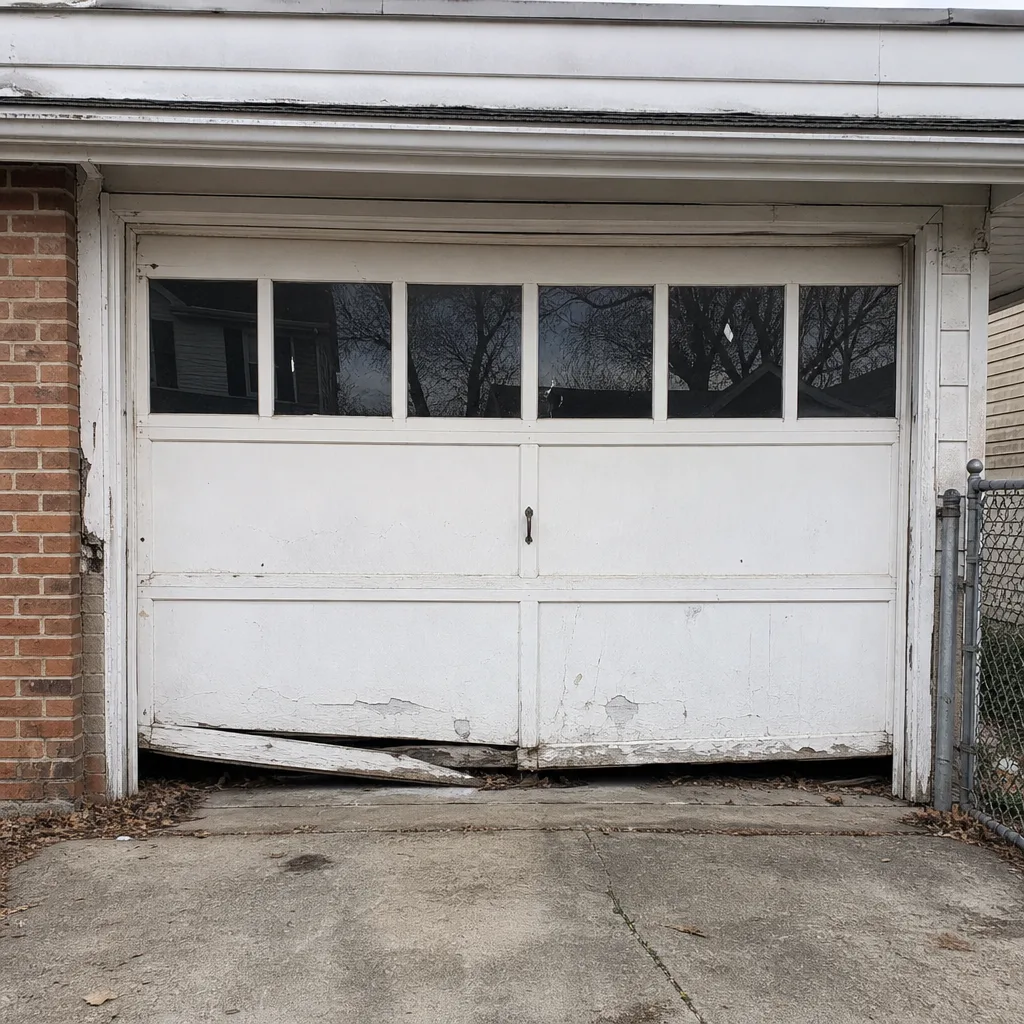 Before
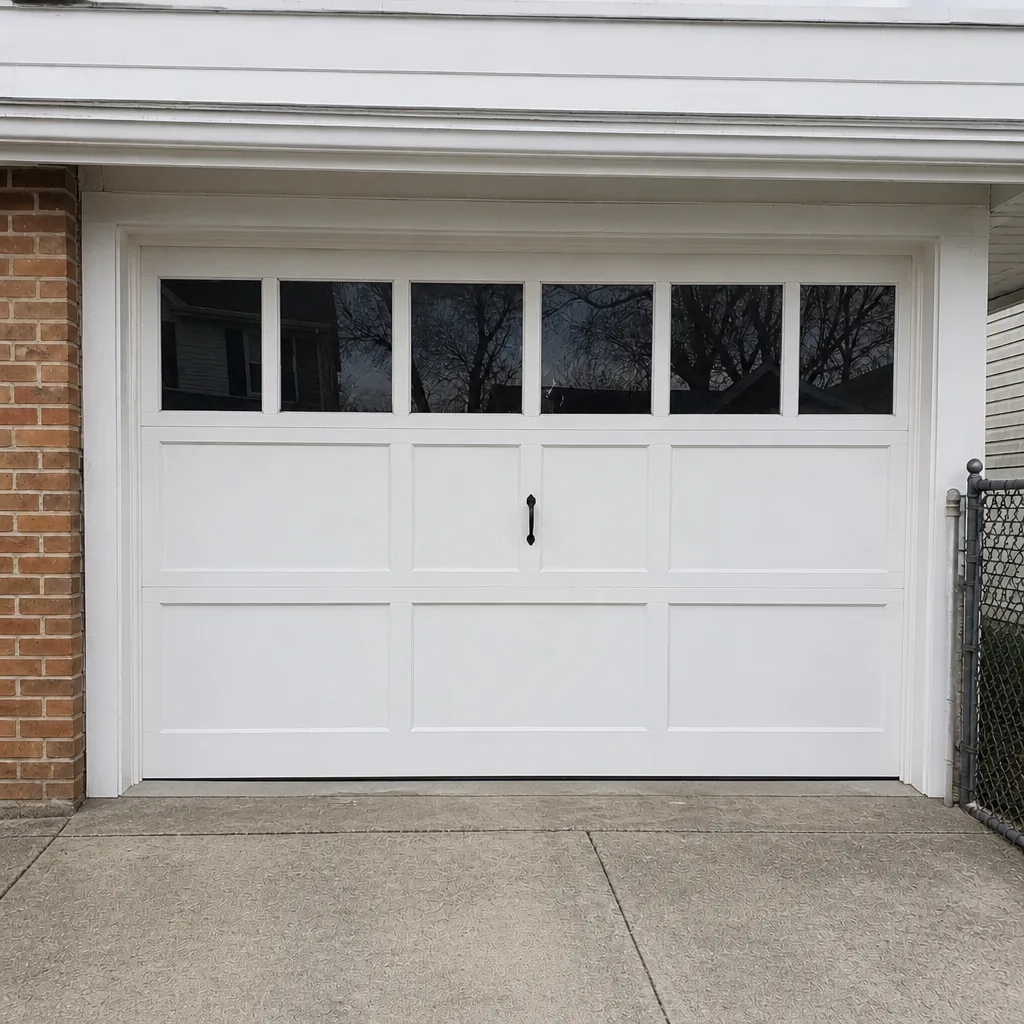 After
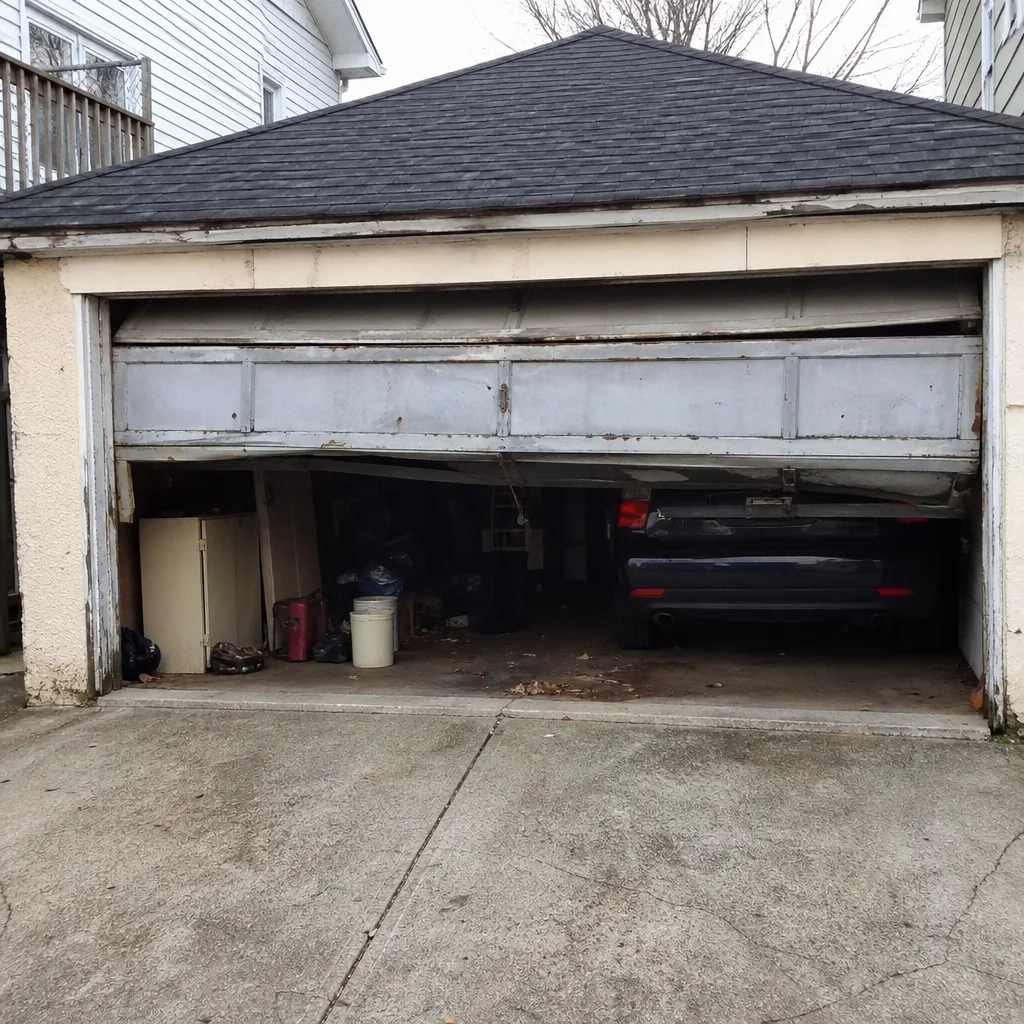 Before
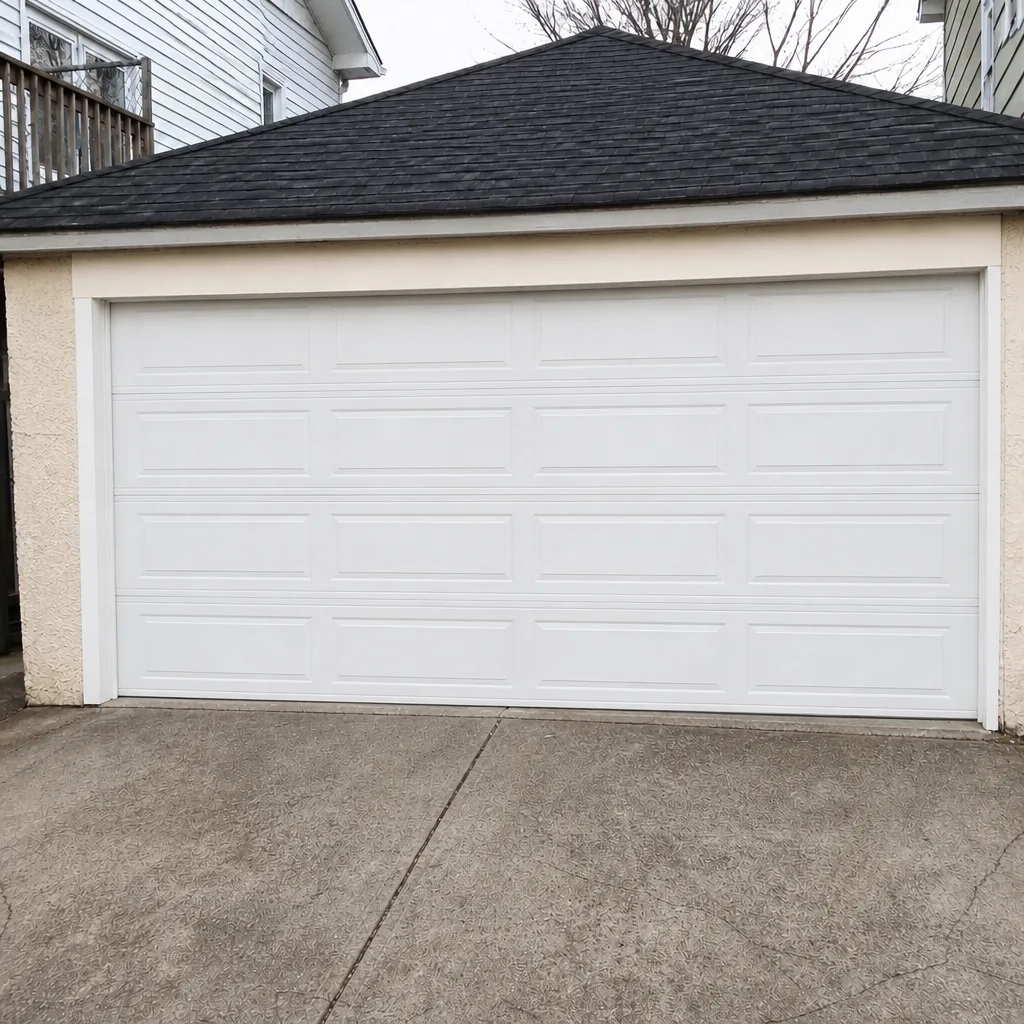 After
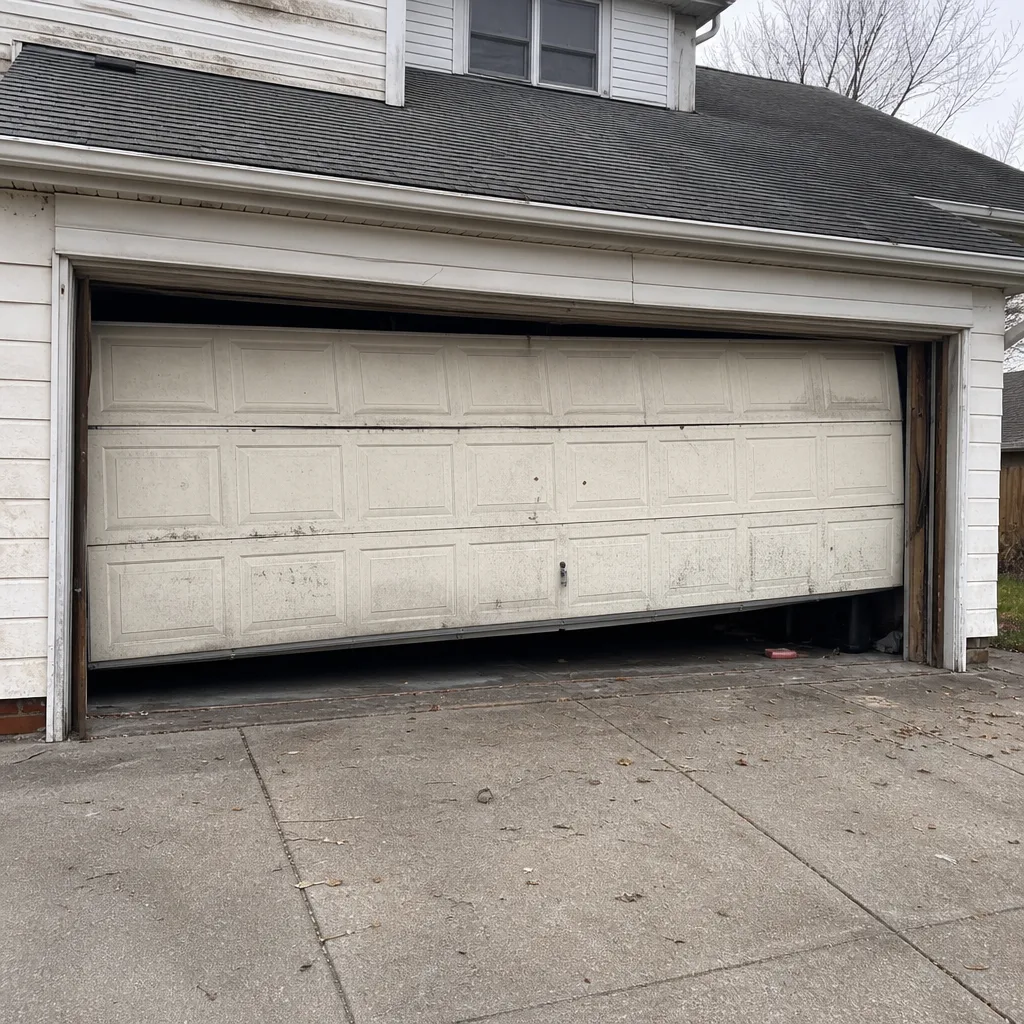 Before
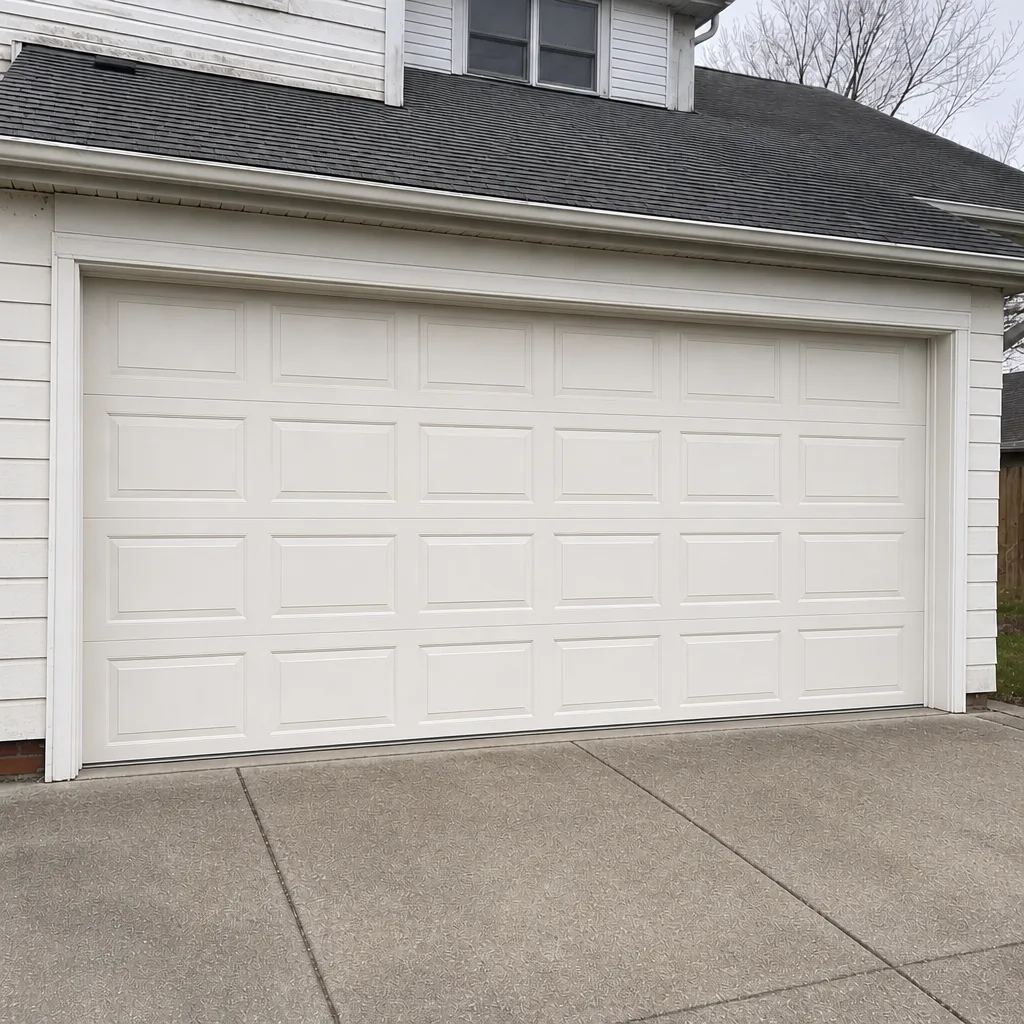 After